POLYASPARTIC KNOWLEDGE CENTER

Polyaspartic Polyurea
Knowledge Center

From material principles to project verification

A continuously updated knowledge base on polyaspartic structure, selection, application and testing, with articles, illustrations and videos linked to products, applications and documents.

01 Understand materials02 Assess applications03 Verify evidence
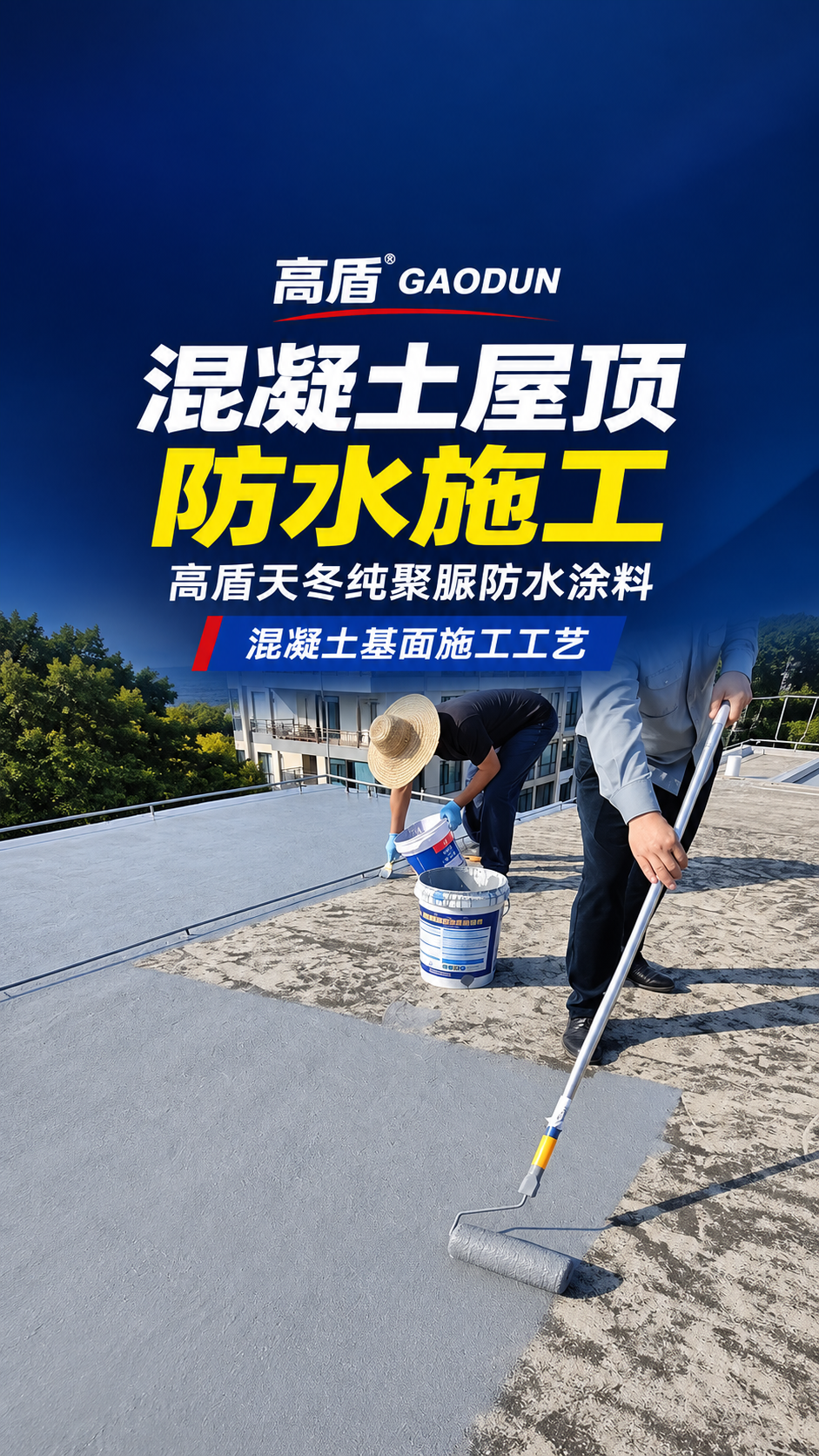
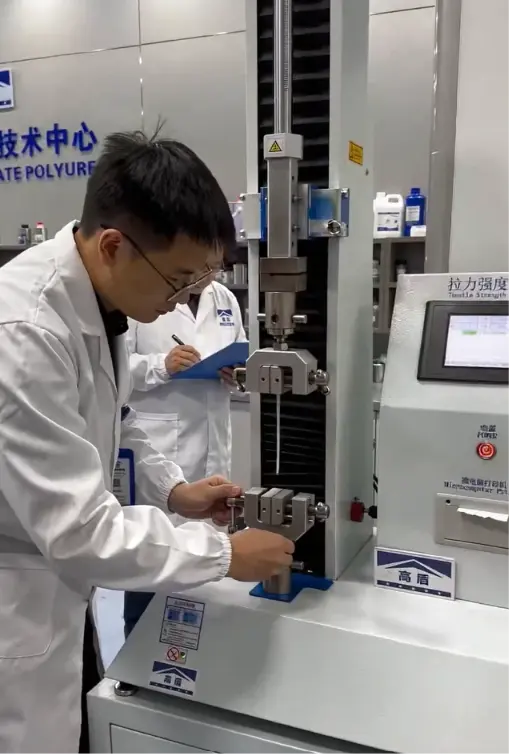
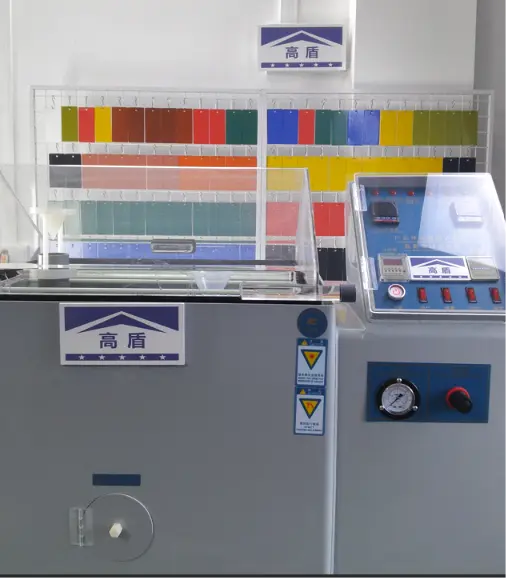
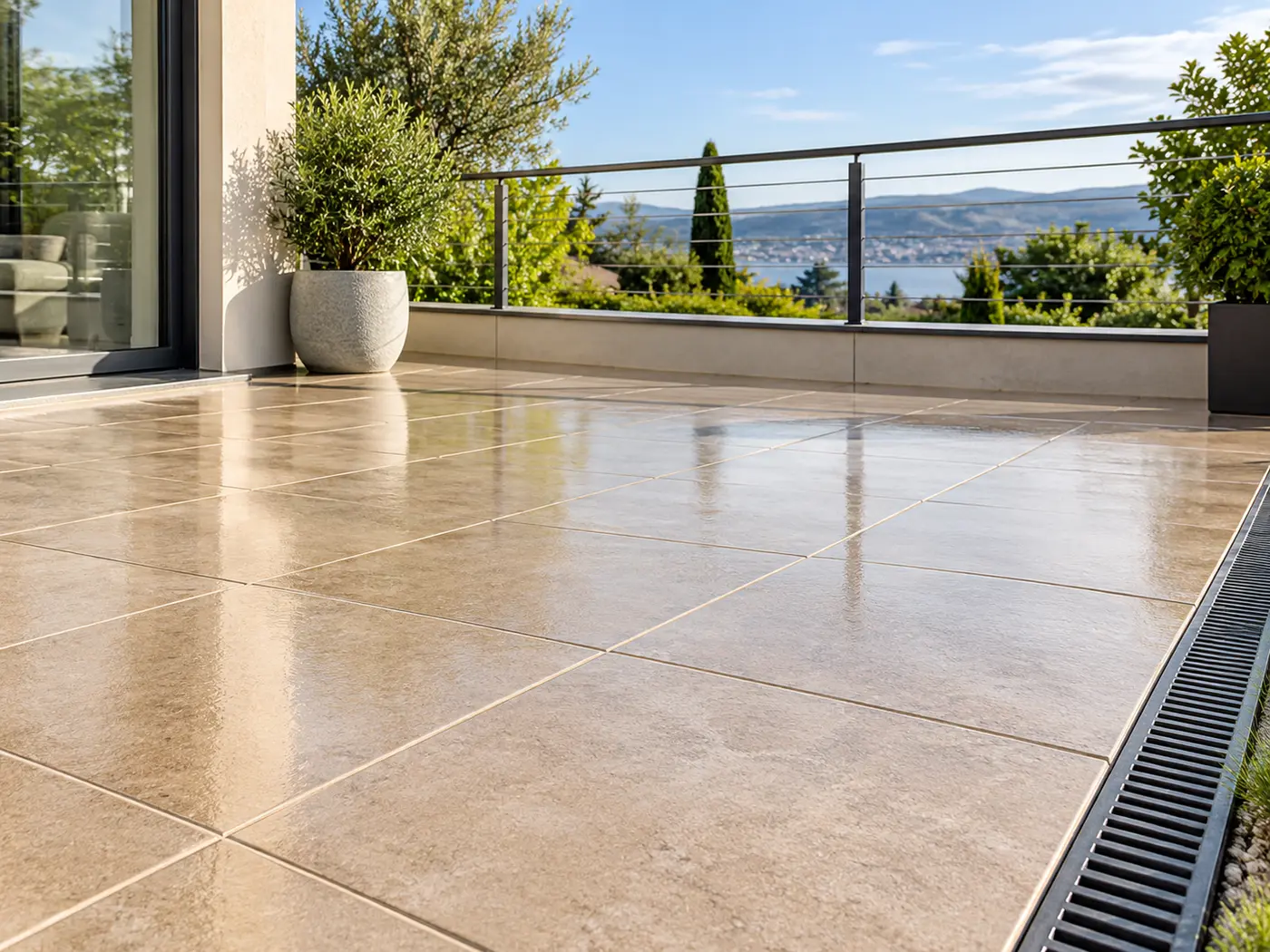
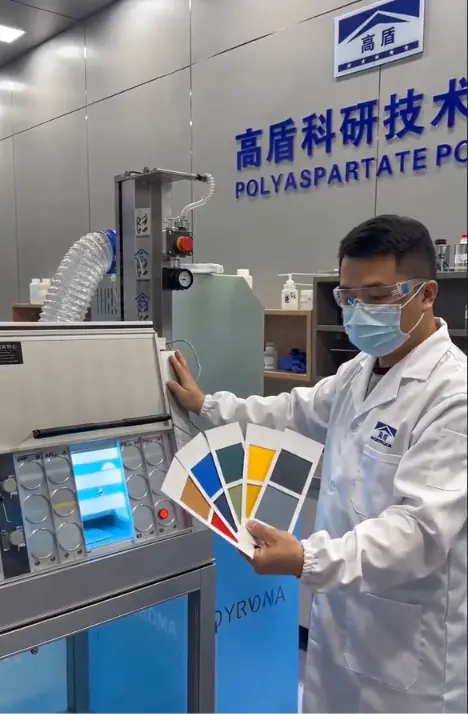
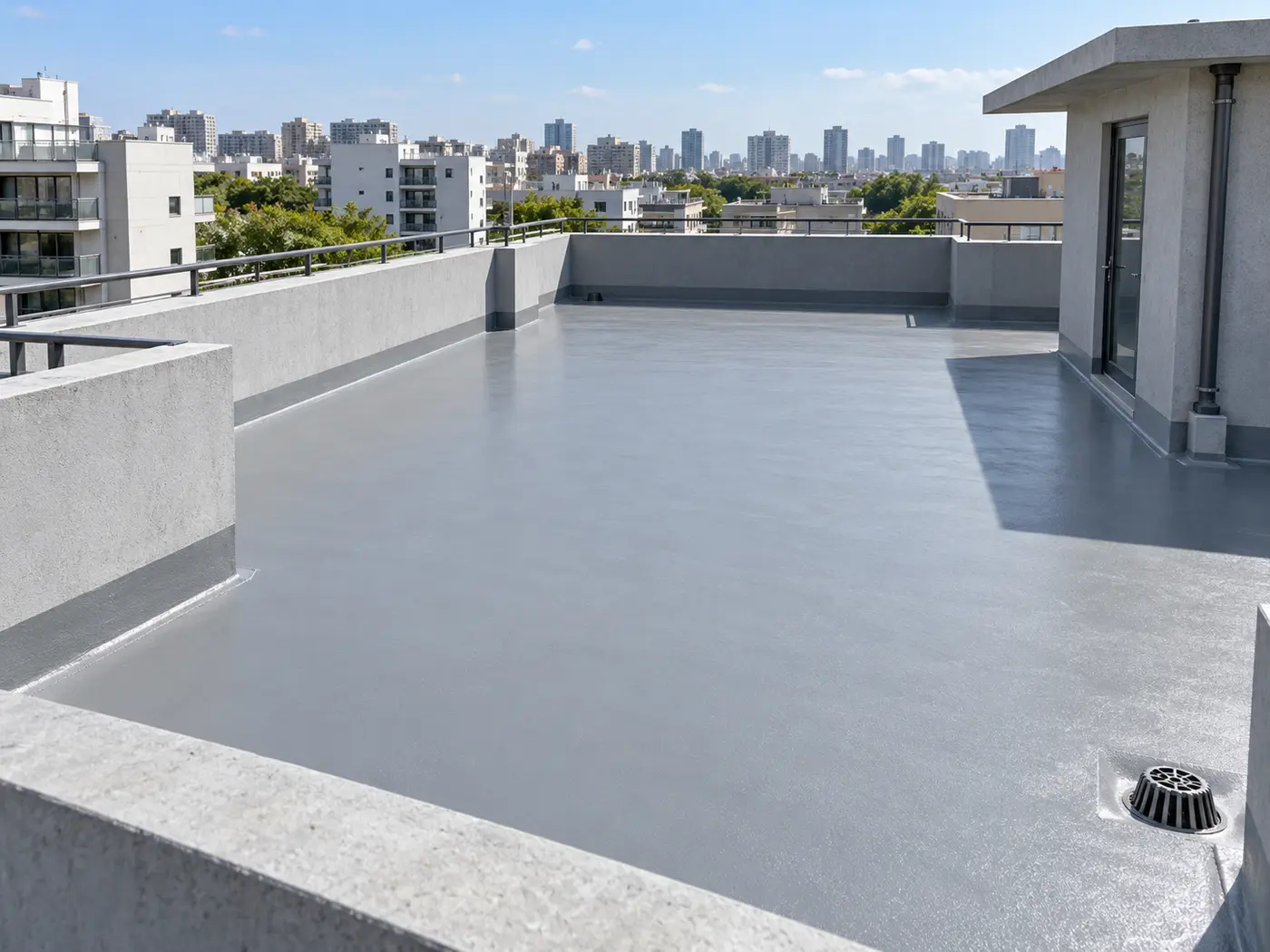
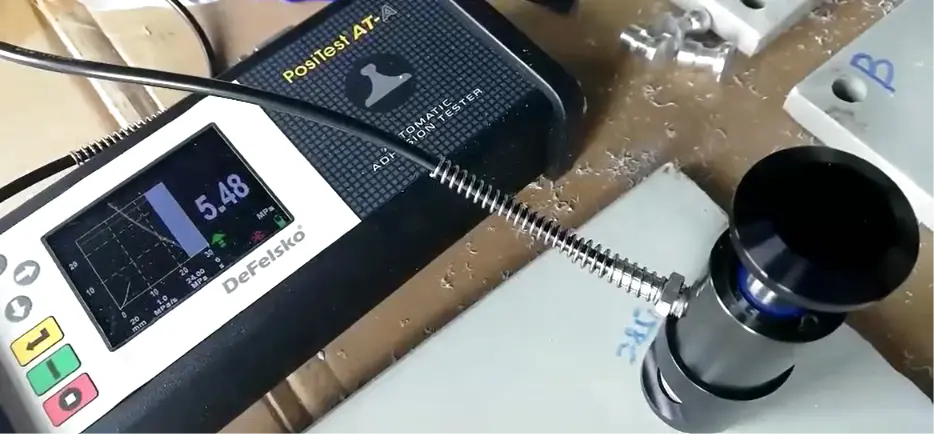
Gaodun laboratory artificial-weathering equipmentPolyaspartic waterproofing on concrete roofsCoating adhesion testing

APPLICATION SELECTION GUIDES

Application Selection Guides

Find articles and product documents for three polyaspartic applications, from service conditions and system selection to evidence.

ROOF WATERPROOFING

Roof Waterproofing Guide

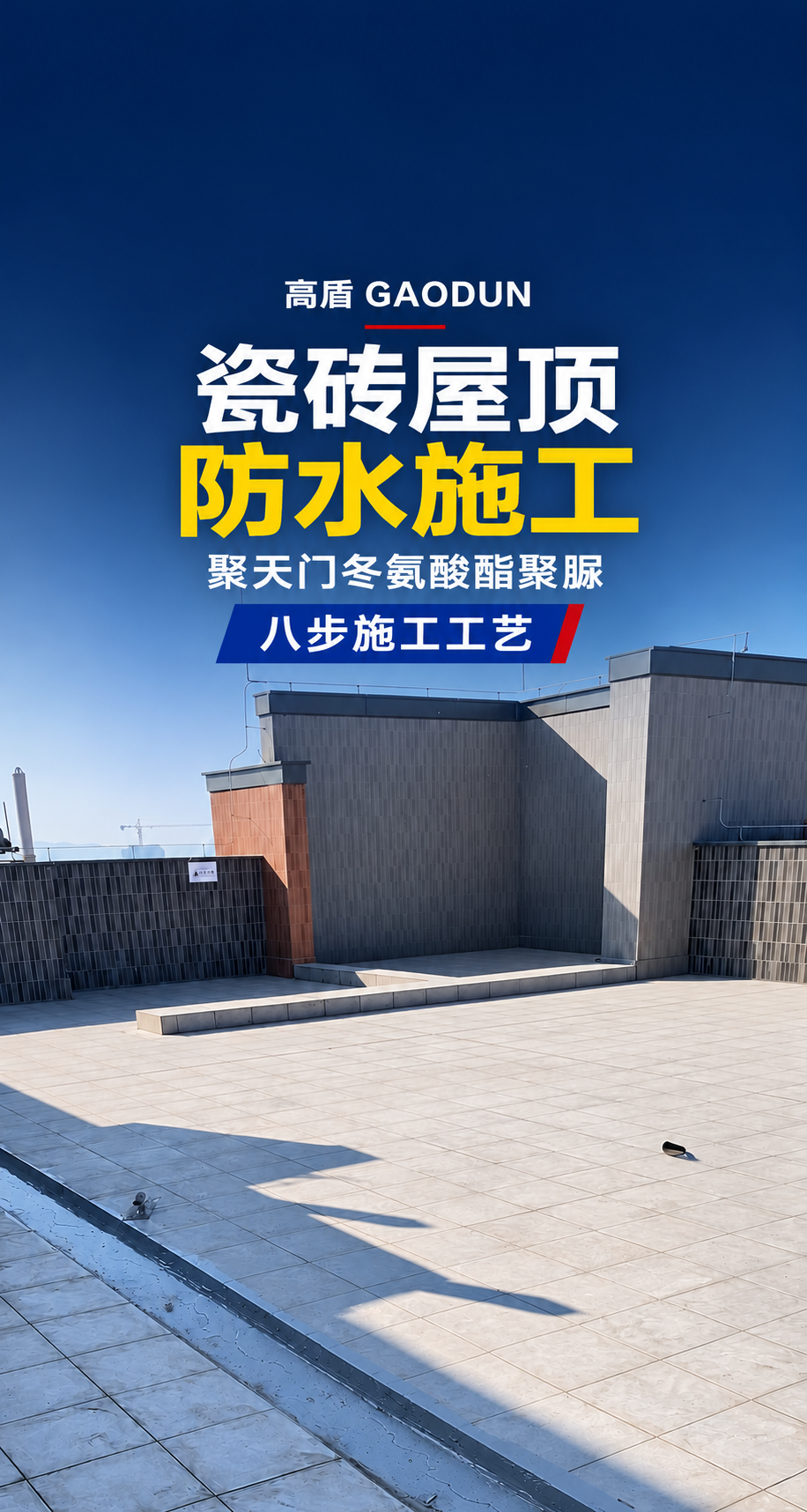
For primary waterproofing on concrete roofs and terraces, prefer N300 for prolonged outdoor exposure. Consider N700 for standard weathering requirements. To retain existing tiles, repair loose or hollow areas, clean, dry and prepare the surface, then verify adhesion on a test patch.

View roof-waterproofing articles →
OUTDOOR DECORATIVE FLAKE FLOORING

Outdoor Decorative Flake-Flooring Guide

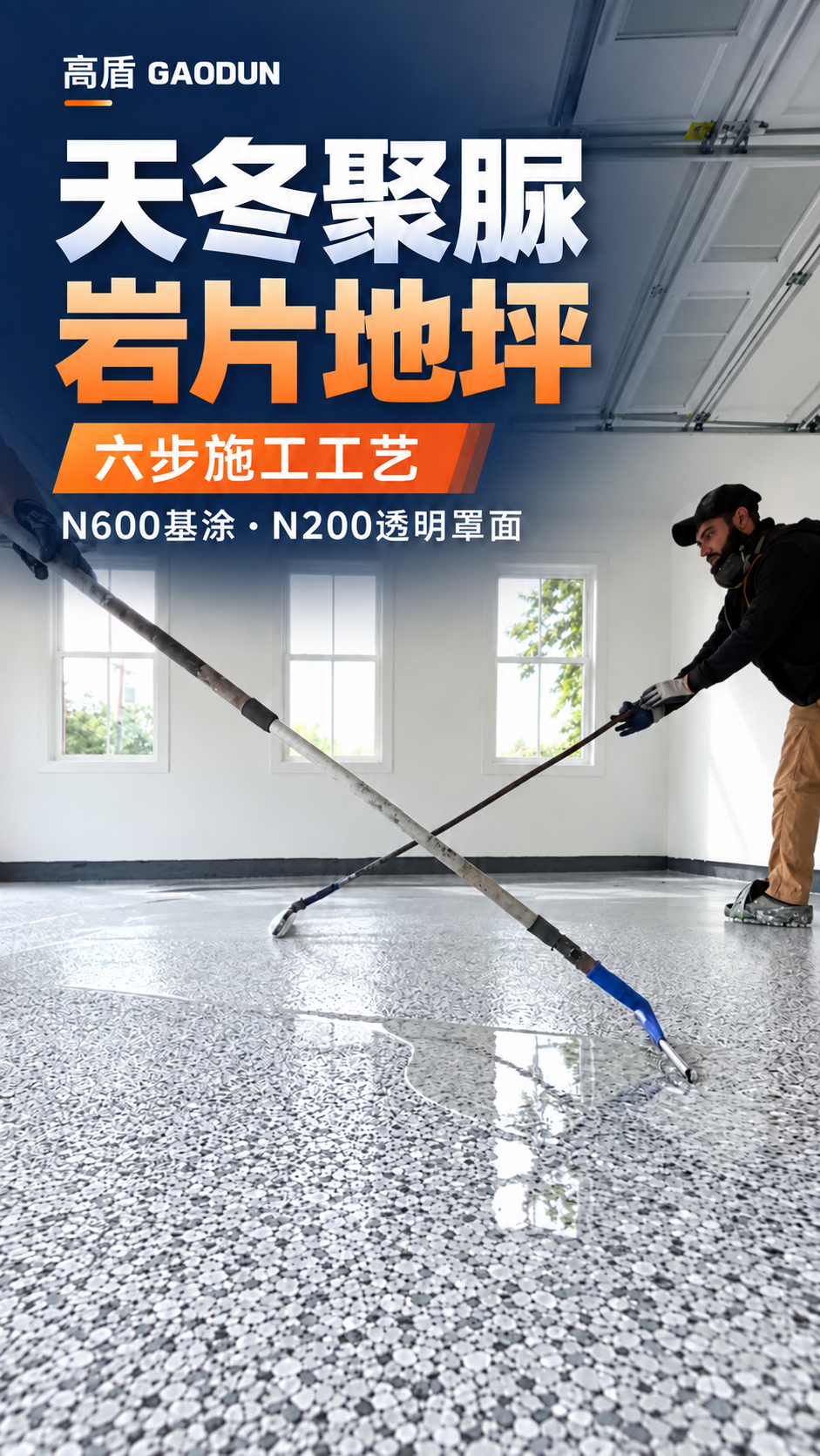
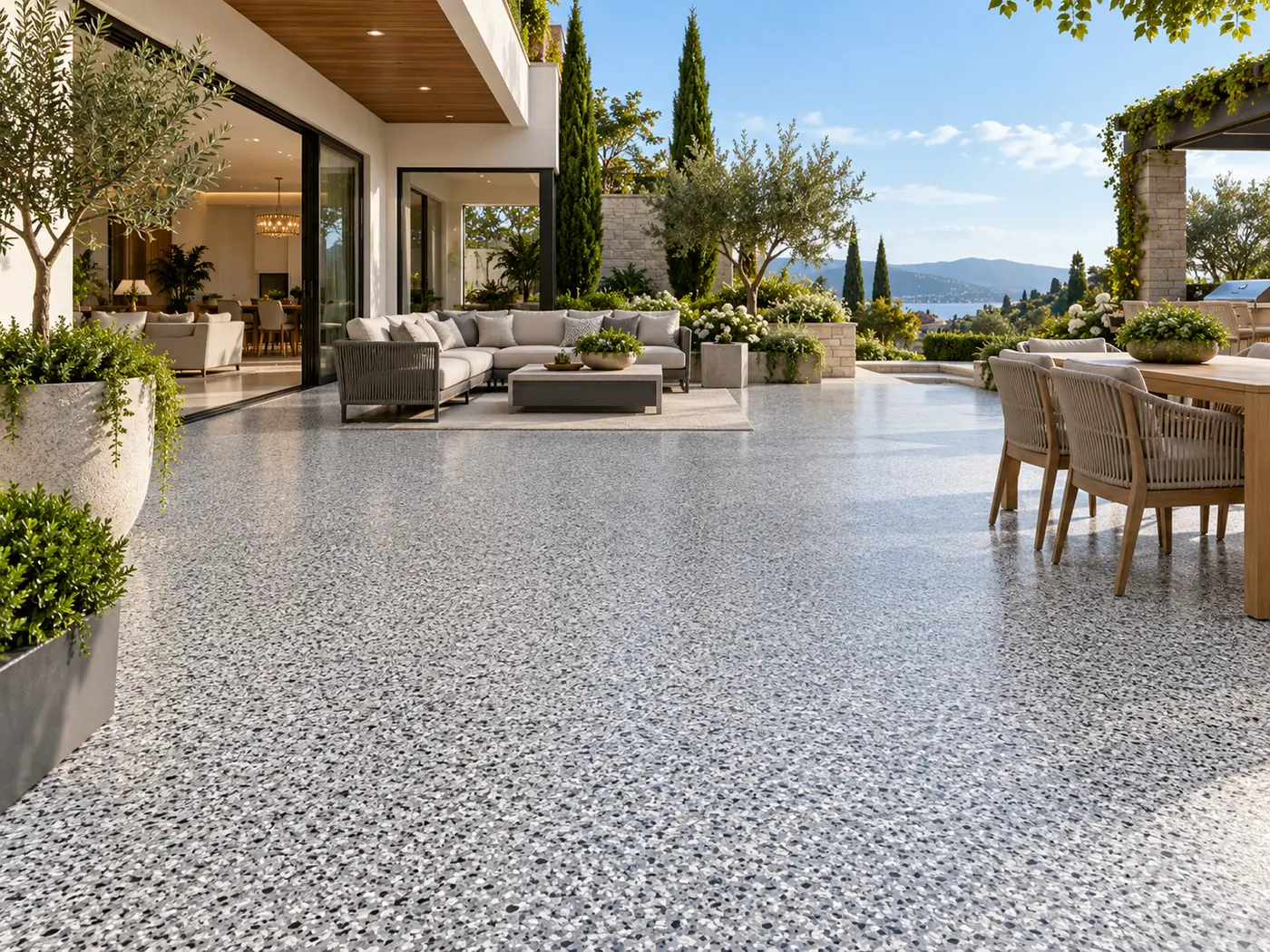
For a decorative flake floor, seal with N600, broadcast flakes into the N600 midcoat and finish with N200 clear topcoat. If the terrace leaks, assess the primary waterproofing layer separately. Where wet slip resistance matters, verify the proposed finish.

View outdoor flake-flooring articles →
METAL CORROSION PROTECTION

Metal Surface Protection Guide

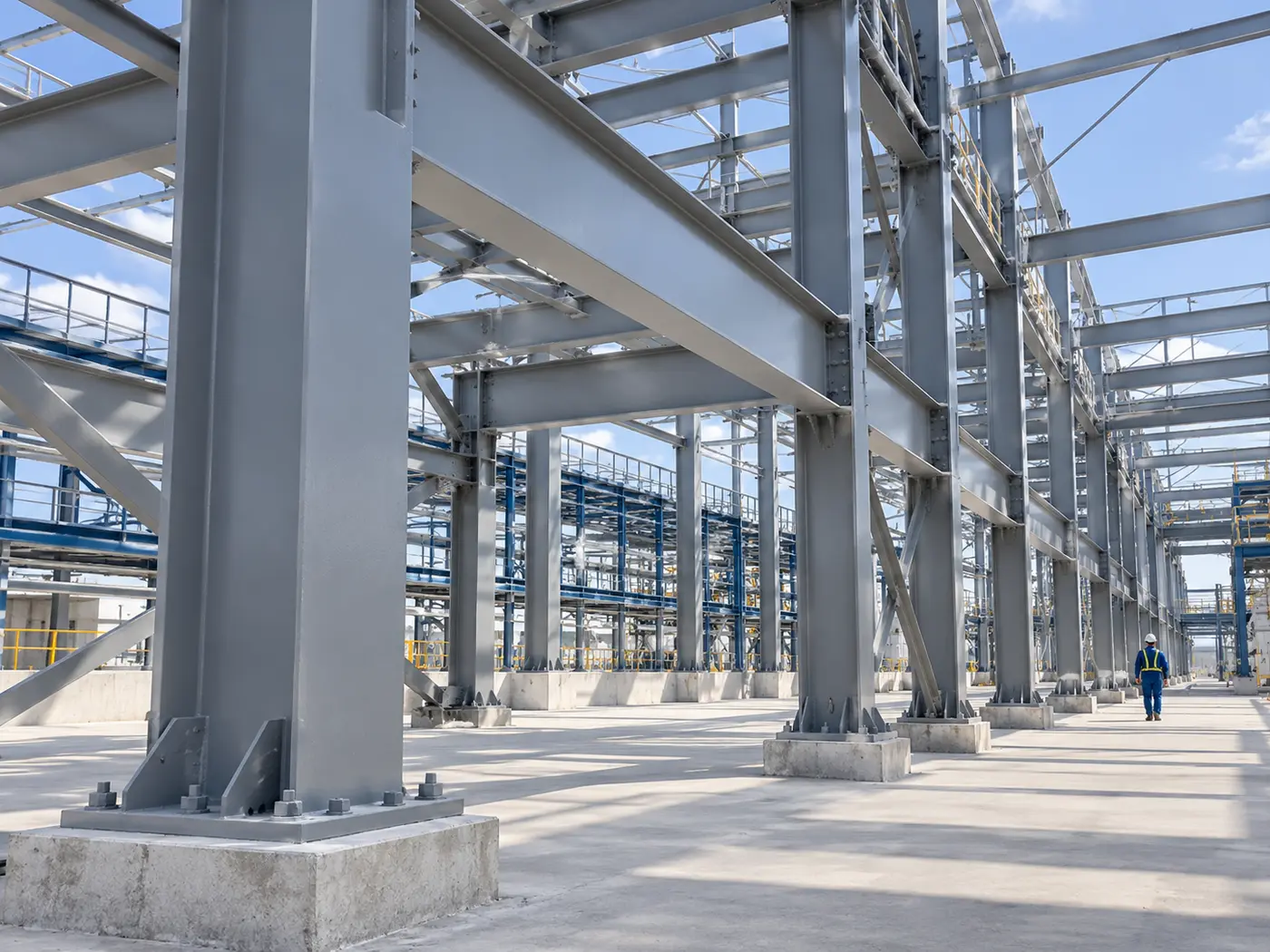
Consider N100 for non-critical exterior surfaces of equipment and vehicles, or N500 as the protective topcoat on structural steel exposed to coastal air. Identify the component, exposure zone and coating system first. Splash zones and prolonged immersion require separate verification.

View metal-protection articles →

POLYASPARTIC TECHNICAL ARTICLES

Polyaspartic Polyurea Technical Articles

Global polyaspartic technology, material mechanisms and technical comparisons

Technical articles: English titles and full text follow the Simplified Chinese source.

Gaodun N300 or N700 for Roof Waterproofing: The 1.2 mm TDS Reference and a 1.5 mm Budget Example

How Does Polyaspartic Ester Form Aliphatic Polyaspartic Polyurea? Film Formation and Outdoor Benefits

How Should Gaodun N100 Polyaspartic Polyurea Be Selected? Substrates, Compatible Systems and Acceptance for Industrial Surface Protection

How to use Gaodun N500 on structural steel: Existing paint, primer selection and film thickness inspection

How Is the Gaodun N600 Flake Flooring Body Coat Applied? Full Broadcasting, Loose Flake Removal and Pre-Topcoat Inspection

How Is Gaodun N600 Outdoor Flake Flooring Installed? Concrete Sealing, Full Flake Broadcasting and Clear Topcoating

Refurbishing an Existing Tiled Terrace Without Removing All Tiles: Which Areas Must Be Repaired First?

How Can Gaodun Delivery Batches Be Verified? From Part A and Part B Development to Site Handover

How Many Square Meters Can One Kilogram of Polyaspartic Polyurea Cover? From Dry Film Thickness to Application Acceptance

Can Polyaspartic Polyurea Protect Coastal Steel Structures? From Salt Spray Testing to Complete Corrosion Protection Systems

Browse All Technical Articles →

FOUNDATION ARTICLES

Polyaspartic fundamentals

Six starting questions cover material identity, outdoor weathering, applications, evidence, comparisons and grade selection.

PROCESS & CASE VIDEOS

Application and Installation Videos

Use the videos to check surface preparation, coating combinations and application steps. Illustrations show intended uses. Confirm a particular completed project against its documented project records.

View all application procedures and examples →Browse published procedure and application videos

TEST INTERPRETATION

Understanding test properties

View full test documents →

APPLICATION PROCESS

Six Application Procedures

Prerequisites, sequence, grades and acceptance checks for six applications help assess actual substrate conditions.

Polyaspartic concrete-roof waterproofing procedure

01 · N300 for long-term weather resistance / N700 for standard weather resistance

Concrete-roof waterproofing

  1. Check strength, moisture and cracks
  2. Repair cracks and reinforce details
  3. First penetration/sealing coat: add 20–30% compatible thinner based on total mixed A+B weight
  4. No extra thinner in the second/third coats; cross-roll and inspect
View roof application conditions →
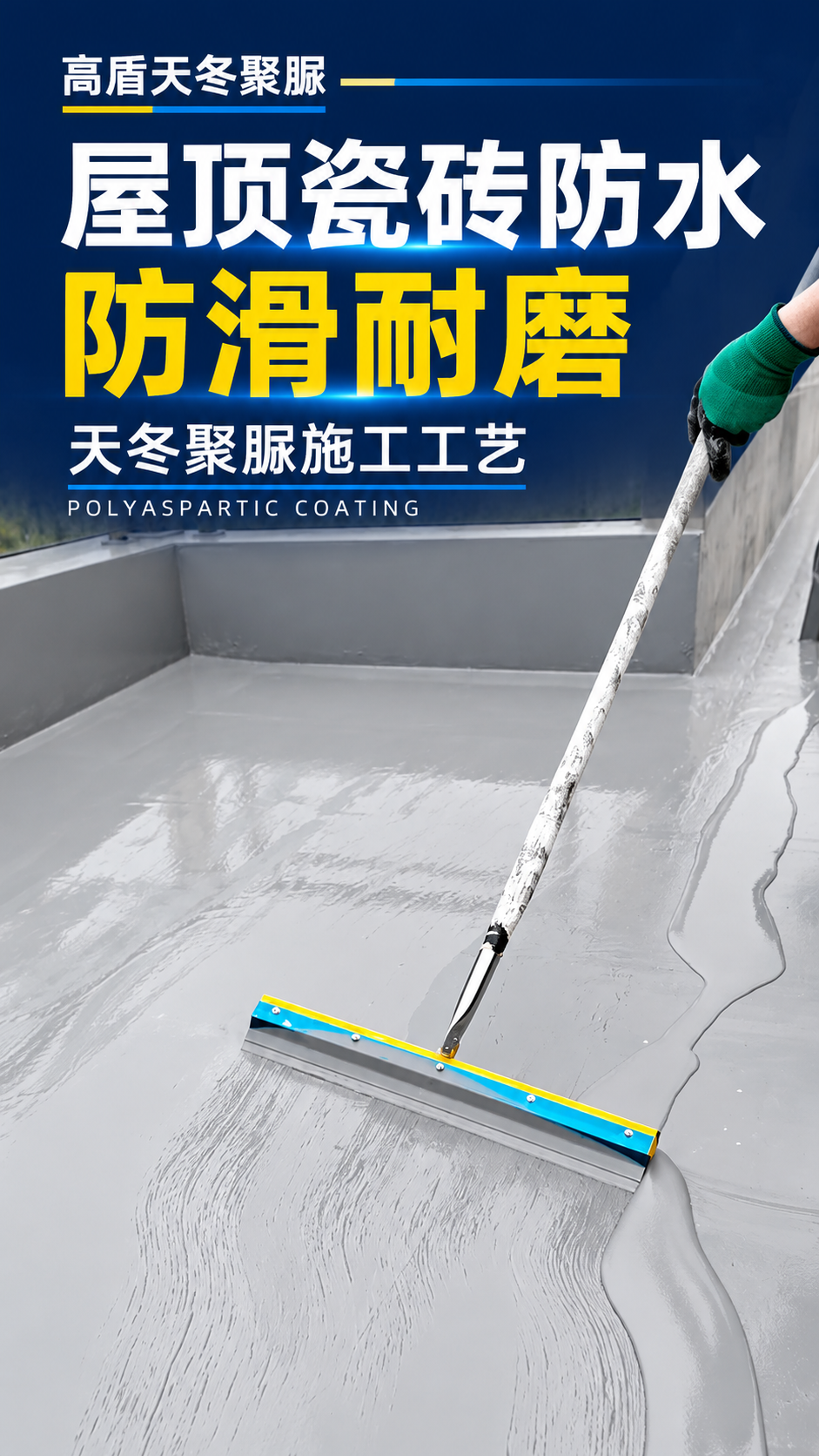
Tile-preserving terrace waterproofing procedure

02 · N300 for long-term weather resistance / N700 for standard weather resistance

Tiled-terrace refurbishment

  1. Check hollow/loose tiles and structural cracks
  2. Clean, degrease and abrade thoroughly
  3. Prepare a sample and test adhesion
  4. Reinforce details before successive coats
View tile application conditions →
Decorative exterior-wall waterproofing procedure

03 · N300

Exterior-wall waterproofing

  1. Check existing-layer soundness and cracks
  2. Clean, repair and treat details
  3. Confirm color with an application sample
  4. Apply successive coats for continuous protection
View wall application conditions →
N500 coastal-steel protection procedure

04 · N500

Heavy-duty steel protection

  1. Confirm corrosion category and existing-coating condition
  2. Degrease, derust and clean
  3. Apply compatible primer and intermediate coat
  4. Apply N500 and verify dry-film thickness
View the metal-protection guide →
N600 outdoor decorative flake-flooring procedure

05 · N600 flake-flooring system

Decorative flake flooring

  1. Abrade, clean and check substrate moisture
  2. Seal the substrate with N600
  3. Apply the N600 midcoat and broadcast the decorative flakes into it
  4. Apply N200 clear finish and cure
Decorative Flake Flooring Selection Guide →
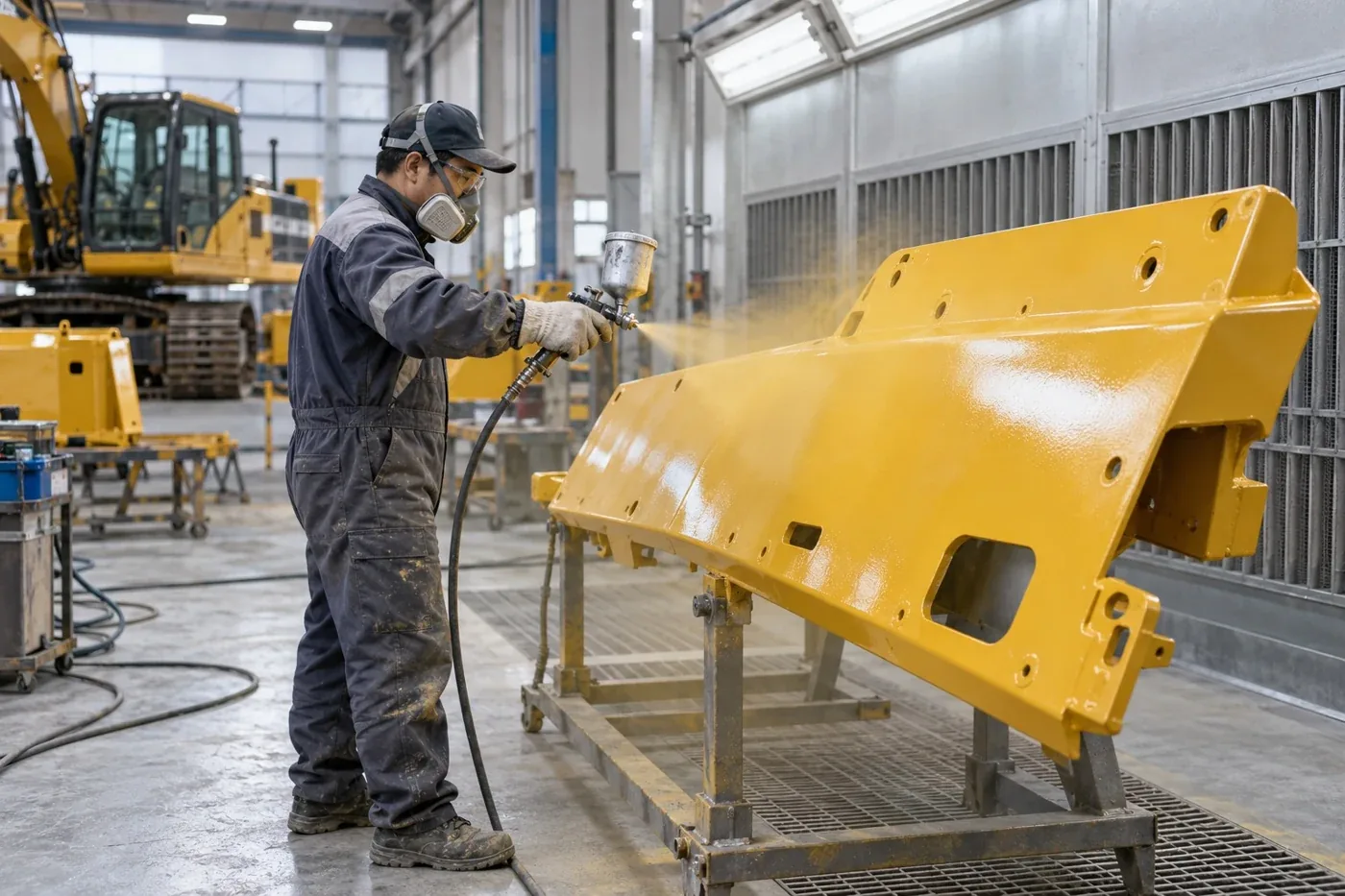
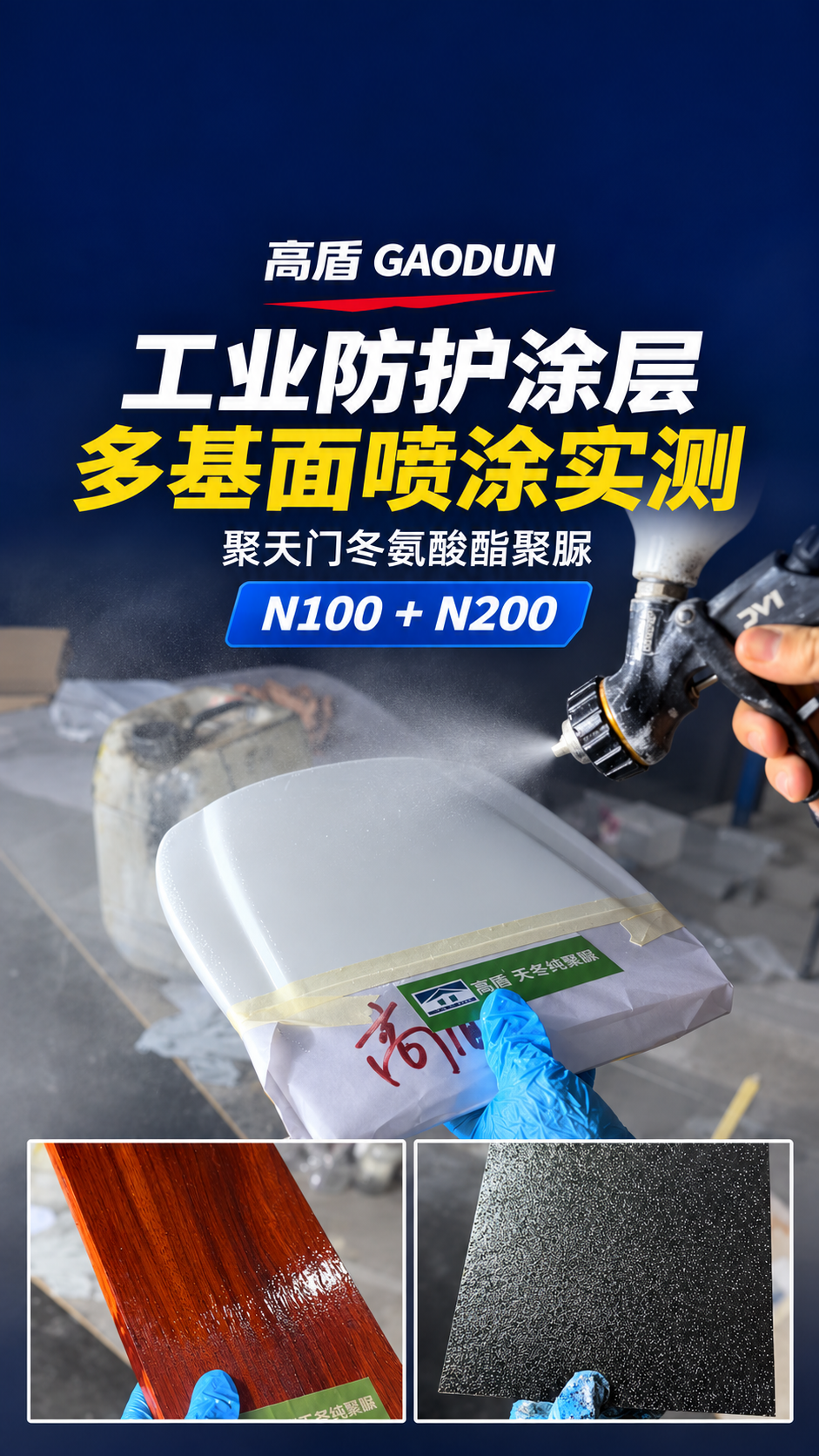
Illustration of N100 spraying on an equipment metal enclosure

06 · N100 Industrial Surface Protection

Equipment, wood and coastal-building protection

  1. Identify substrate for equipment, vehicles, wood or buildings
  2. Treat rust, oil, old paint and loose layers
  3. Trial adhesion, compatibility and appearance
  4. Mix/apply to grade TDS, cure and inspect
View N100 applications and limits →

Application note:These are basic sequences, grades and acceptance points for different applications. Actual ratios, consumption, thickness and intervals follow the grade TDS, inspection and trials; safety/protection follows SDS.

APPLICATION GUIDANCE

Assess systems against actual conditions

Review typical waterproofing, protection, wood and flooring systems against substrate, exposure, grade and compatibility. Illustrations are not completed-project evidence.

View application examples and systems →

TECHNICAL CONSULTATION

Start selection with substrate and environment

Provide city, substrate, area, permanent exposure and cracks, leaks or corrosion.

Submit a technical inquiry

Frequently asked questions

What is available in the Knowledge Center?

You can read technical articles, explore the fundamentals and selection guides, and watch application videos for roof waterproofing, decorative flake flooring and metal protection.

View the technical-article directory

How do I find resources for my application?

Select the application, then check articles, product documents and evidence for substrate, conditions and limitations.

Browse application selection guides

Where should I start if my terrace needs both waterproofing and a decorative flake finish?

Select the primary waterproofing layer for the substrate and exposure first. Repair loose or hollow tiles, clean, dry and prepare them, then test adhesion on a small area. For the decorative finish, use an N600 sealer, an N600 midcoat with flakes and an N200 clear topcoat. Test adhesion between the waterproofing and decorative layers before proceeding.

Read the flake flooring guide

Can the published test hours or report establish the service life of my batch?

They cannot establish batch performance or project service life. Report TL26080331 records 1,000 h of immersion in 3% NaCl solution for submitted sample T26060219, without separate results by grade. Gaodun separately reports 4,000 h of artificial weathering. For measured results for a particular batch, request its certificate of analysis (COA) using the grade and lot number.

Read the stamped report (PDF)