APPLICATION CENTER

Polyaspartic Polyurea Applications
Grade Selection

Polyaspartic polyurea coatings can be used for building waterproofing, industrial surface protection, heavy-duty corrosion protection, decorative flake floors and clear wear-resistant topcoats. Start with the job the coating needs to do, then select a grade for the substrate and exposure conditions.

01Define the use02Check substrate and exposure03Select the grade

SELECTION PRINCIPLE

Different substrates need different grade assessment

For a coastal terrace, identify the substrate, exposure and goal. Is the slab leaking, does the floor need a wear-resistant finish, or is steel corroding? Check roof drainage and detailing. Validate any clear or flake finish on a compatible trial system.

01 · BUILDING WATERPROOFING

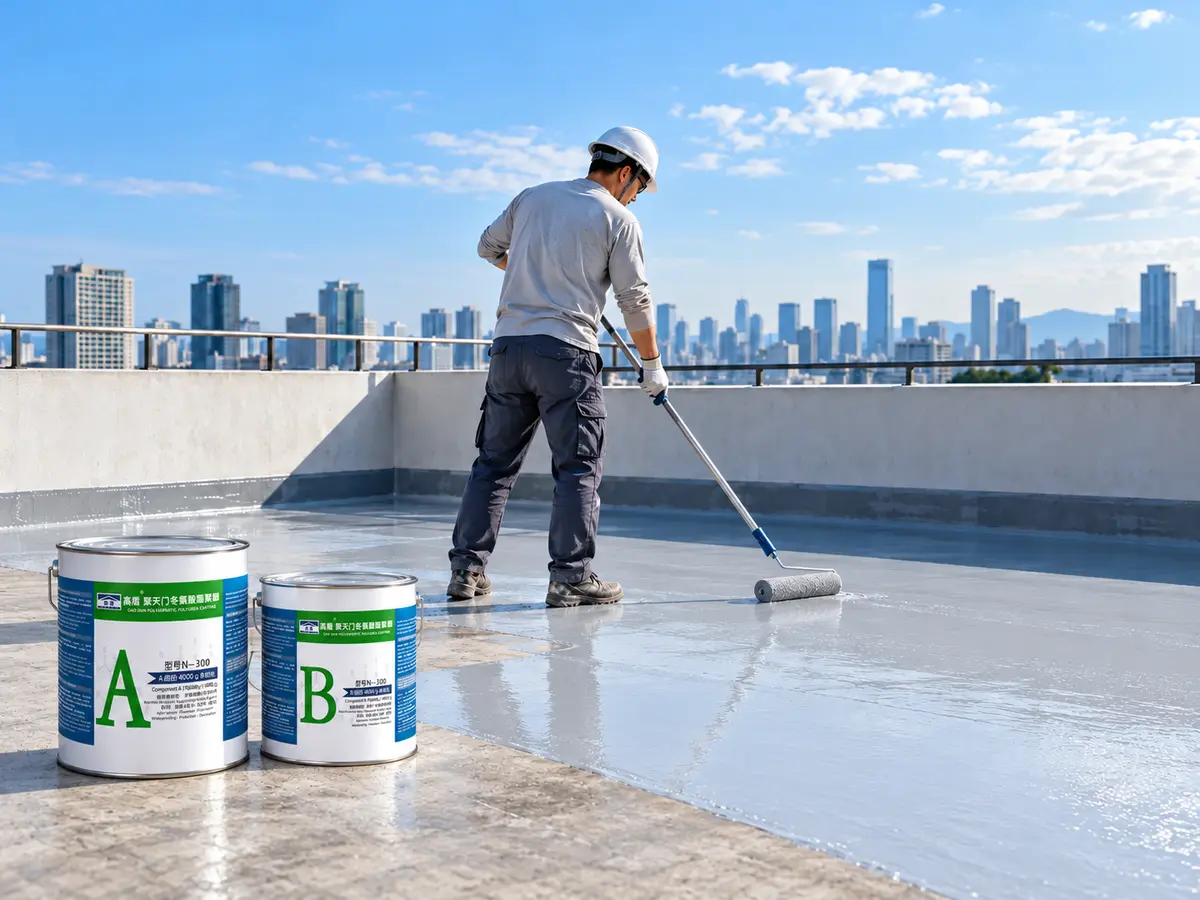
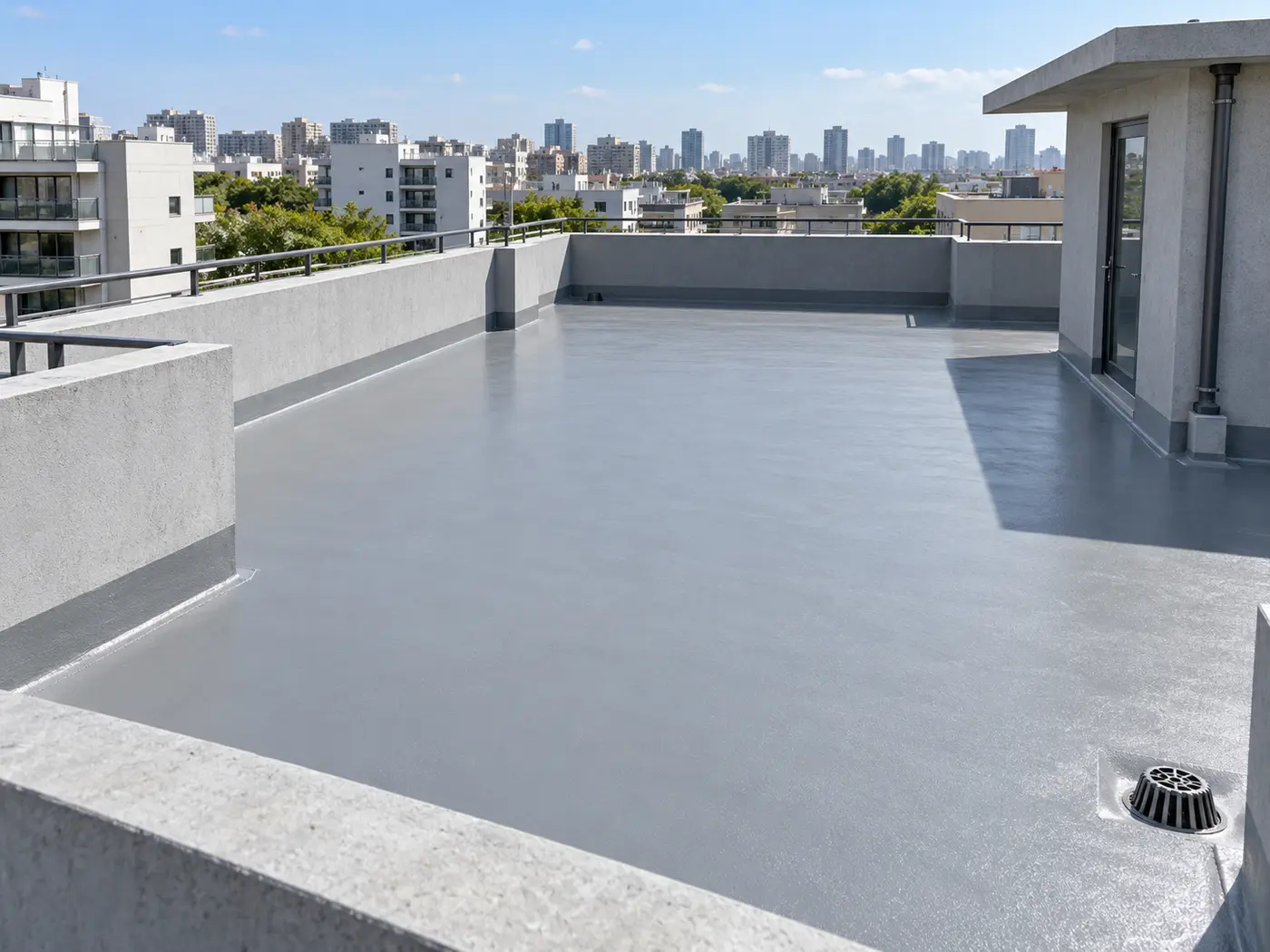
Building waterproofing applications

For permanent exposure to UV, rainfall, temperature changes and coastal humidity.

02 · DECORATIVE FLOORING

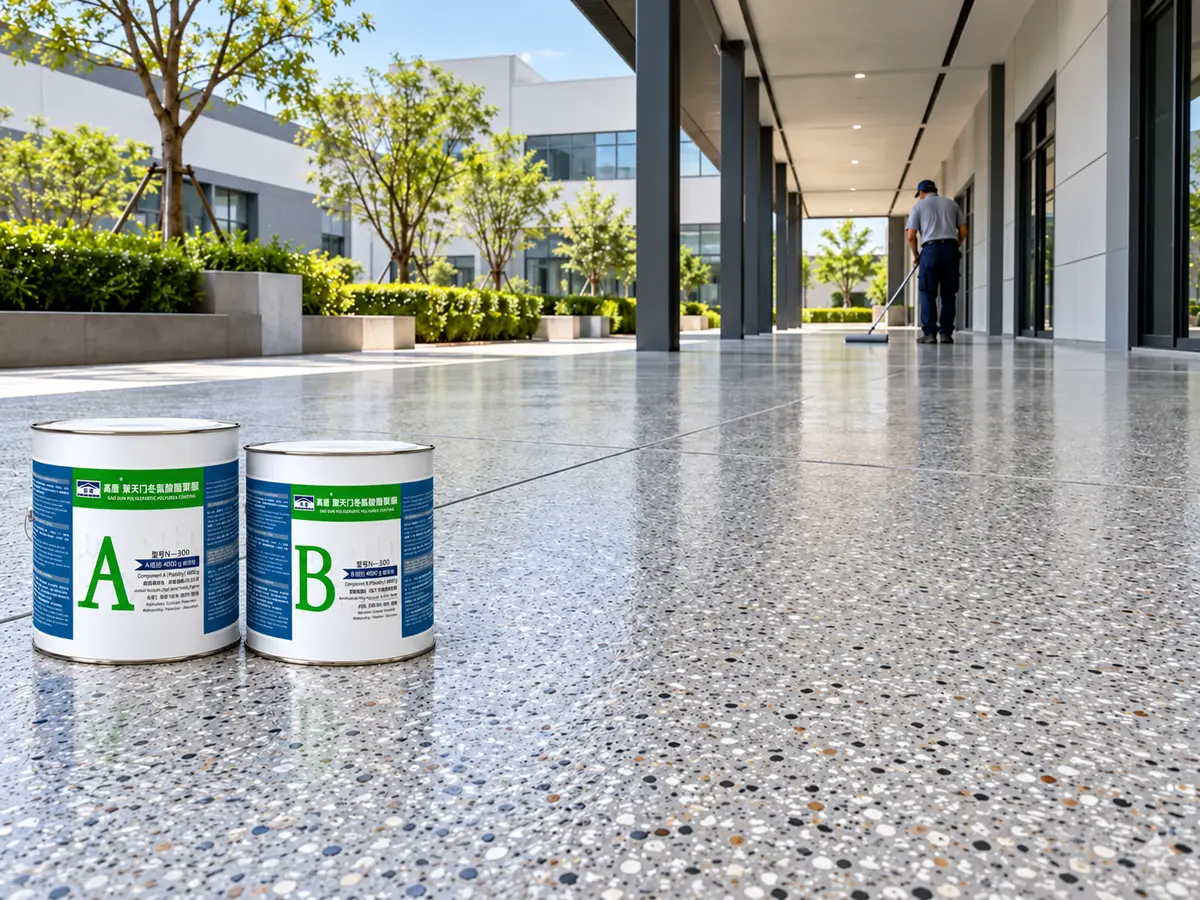
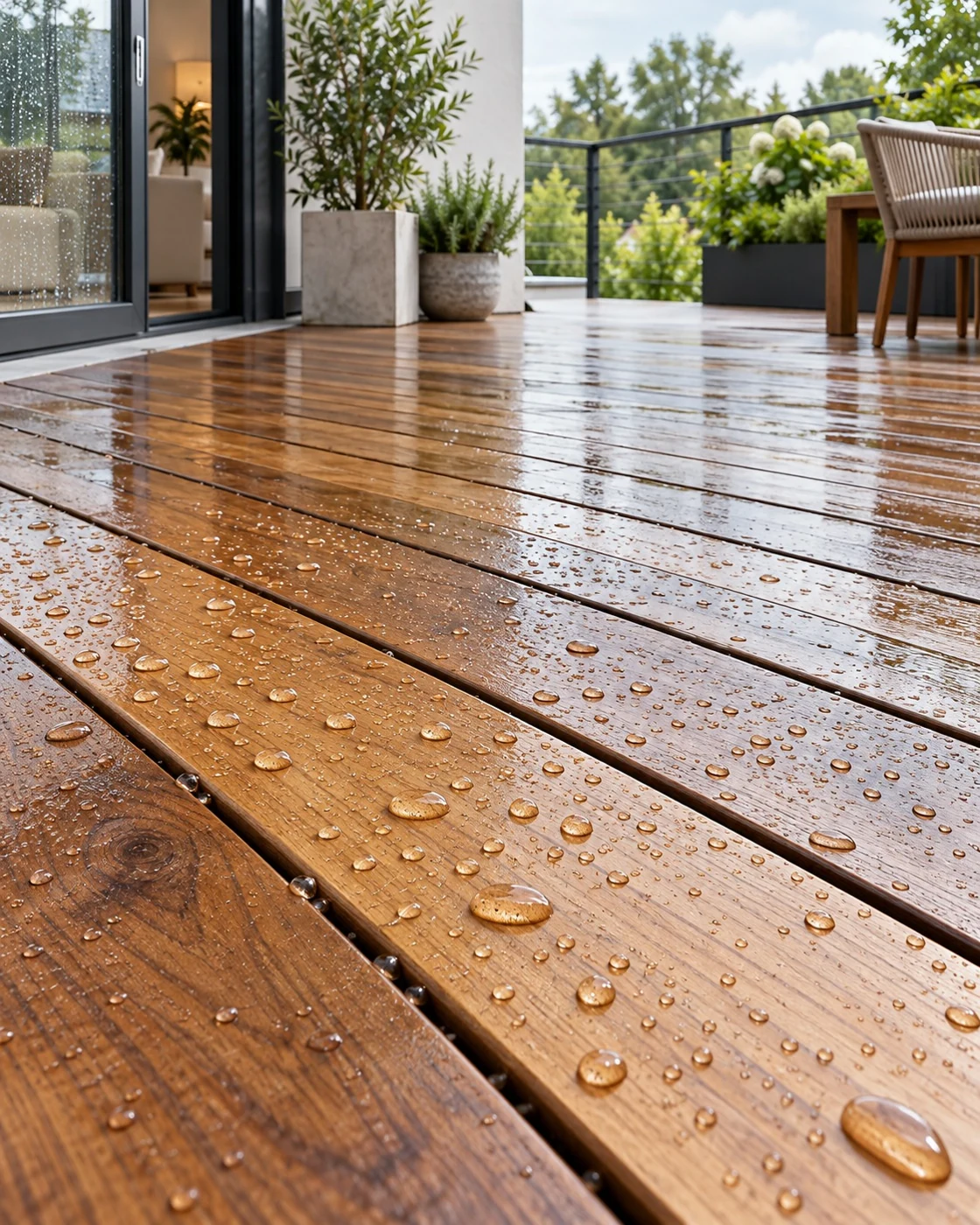
Decorative flooring applications

Colored flakes, polyaspartic binder and clear finish form a continuous decorative layer.

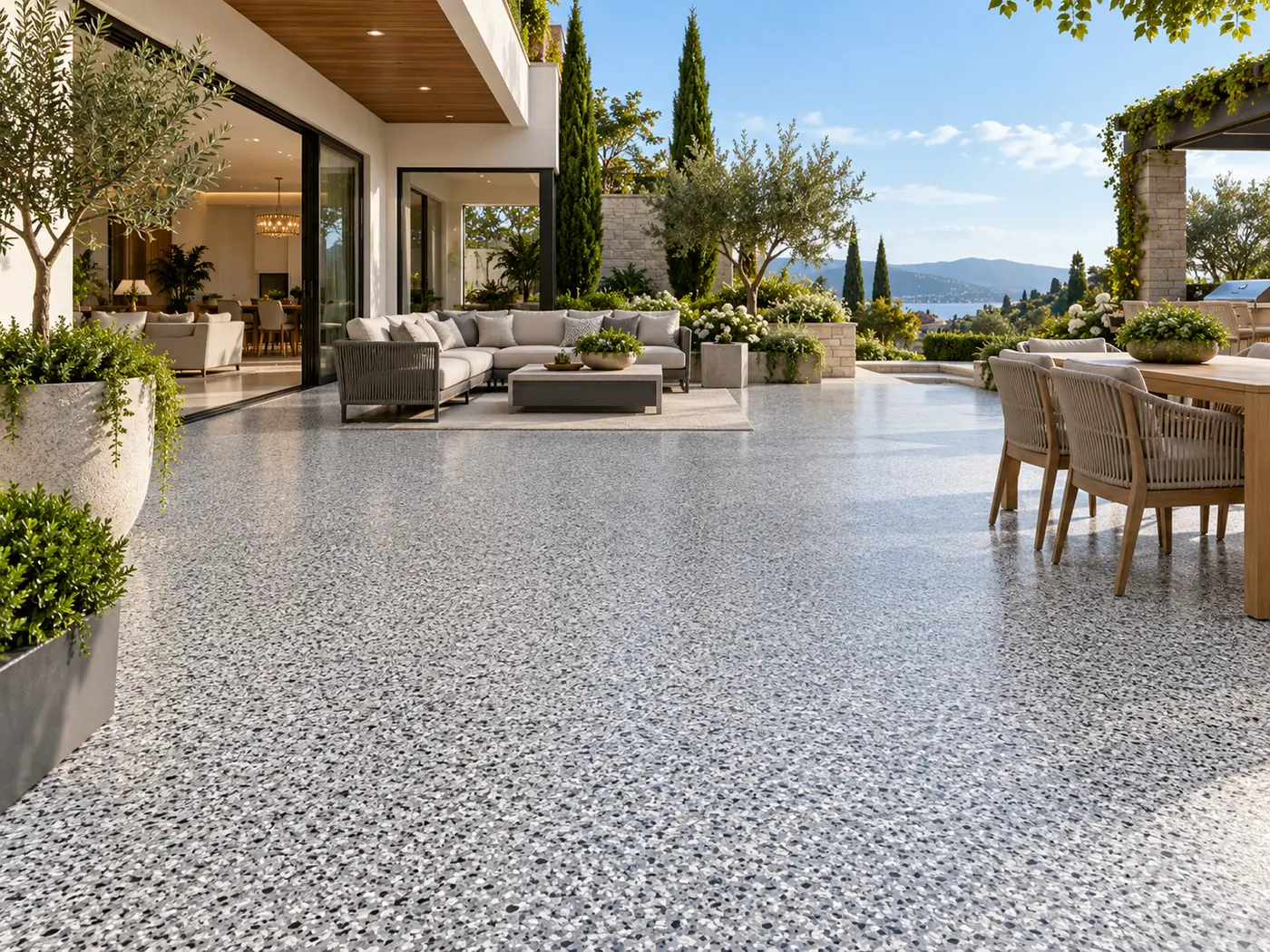
Application illustration: N600 outdoor weather-resistant polyaspartic decorative flake-flooring systemN600 Outdoor Decorative Flake Flooring

Terraces, courtyards, walkways and private villa garages

Apply N600 as the sealer and as the intermediate coat that receives the broadcast flakes. Finish with the N200 clear wear-resistant topcoat. Roof terraces need separate primary waterproofing, drainage and detailing. Check vehicle loads and hot-tyre wear in garages. Verify wet slip resistance on a complete system sample.

Substrate
Concrete, cement mortar and sound tiles
Target
Decoration, wear resistance and maintenance
Suggested grades
N600 + N200 finish
View N600 outdoor flake flooring →

03 · INDUSTRIAL ANTICORROSION

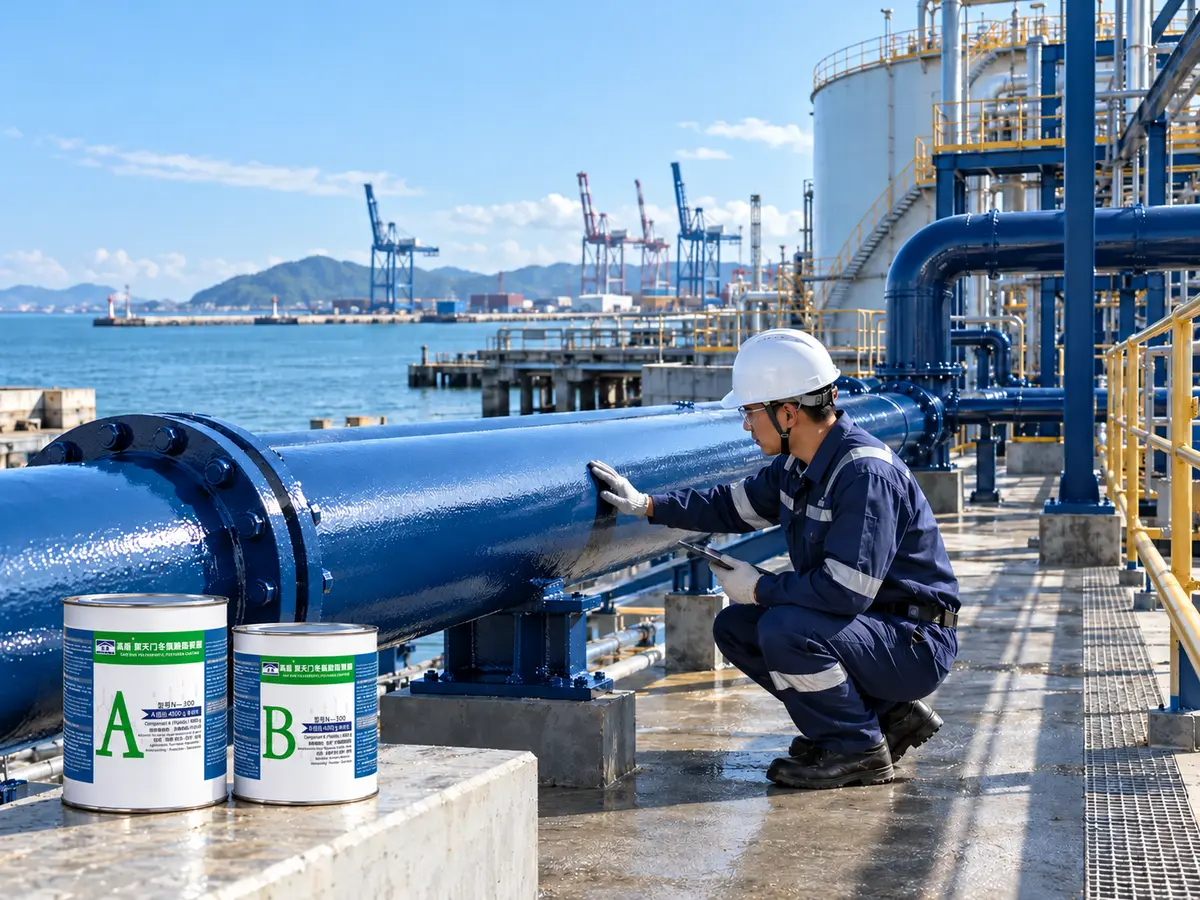
Industrial heavy-duty protection

Steel structures, tanks, pipes, ports and humid saline coastal exposure.

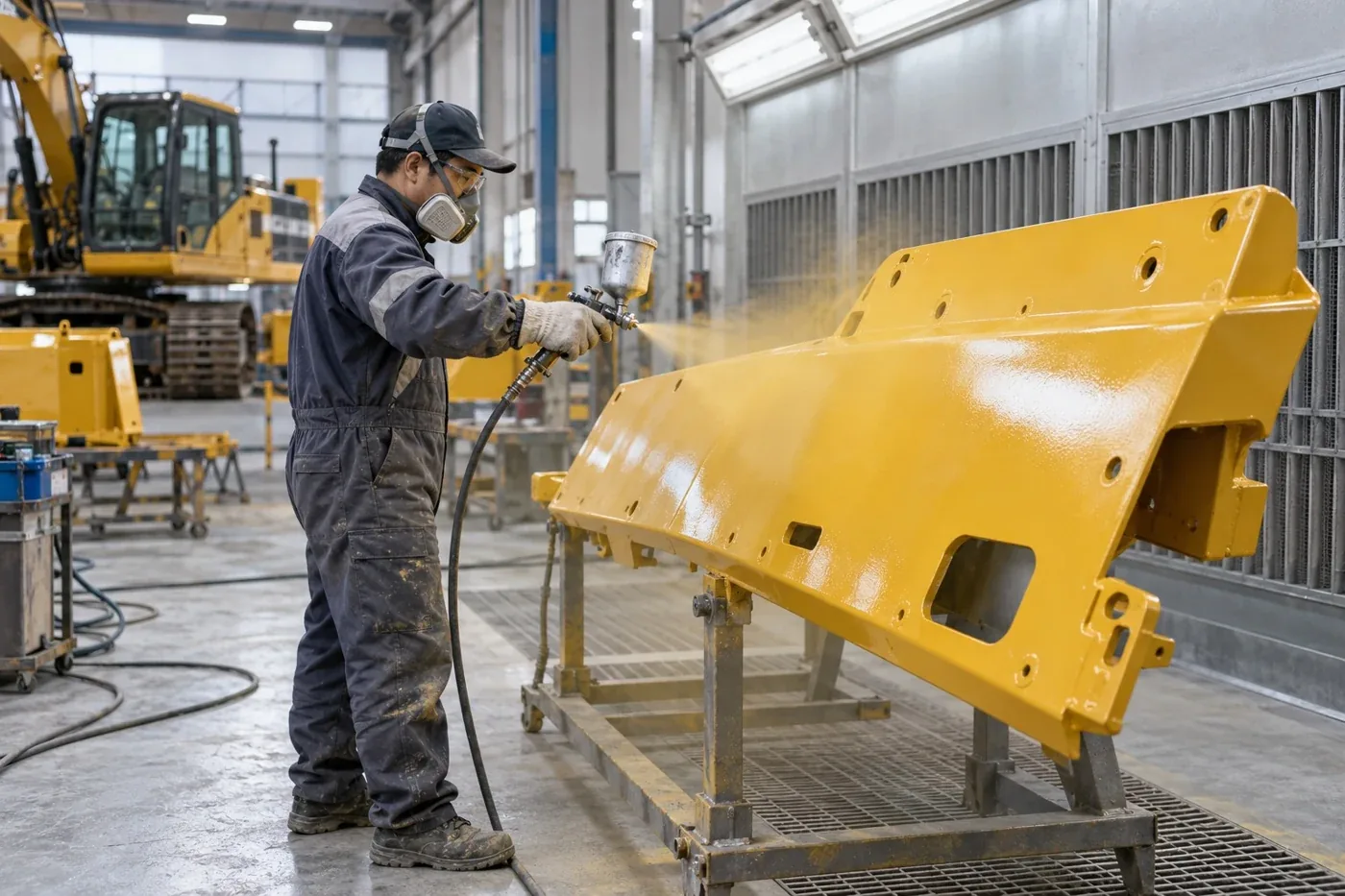
N100 · INDUSTRIAL SURFACE PROTECTION

N100 industrial surface protection

Higher hardness, wear and multi-substrate protection. Specify each of the three applications by substrate and exposure.

N100 salt-water immersion is not salt spray. Assess N500 first for steel heavy-duty protection; seawater immersion, splash zones and unusual corrosion require separate validation. Wood protection means surface coating, not internal preservation. Images are illustrations.

APPLICATION CASE DESIGN

Applications and system examples

Indicative systems for typical substrates. Images are illustrations, not verified project records. Final selection follows site inspection, trials and grade TDS.

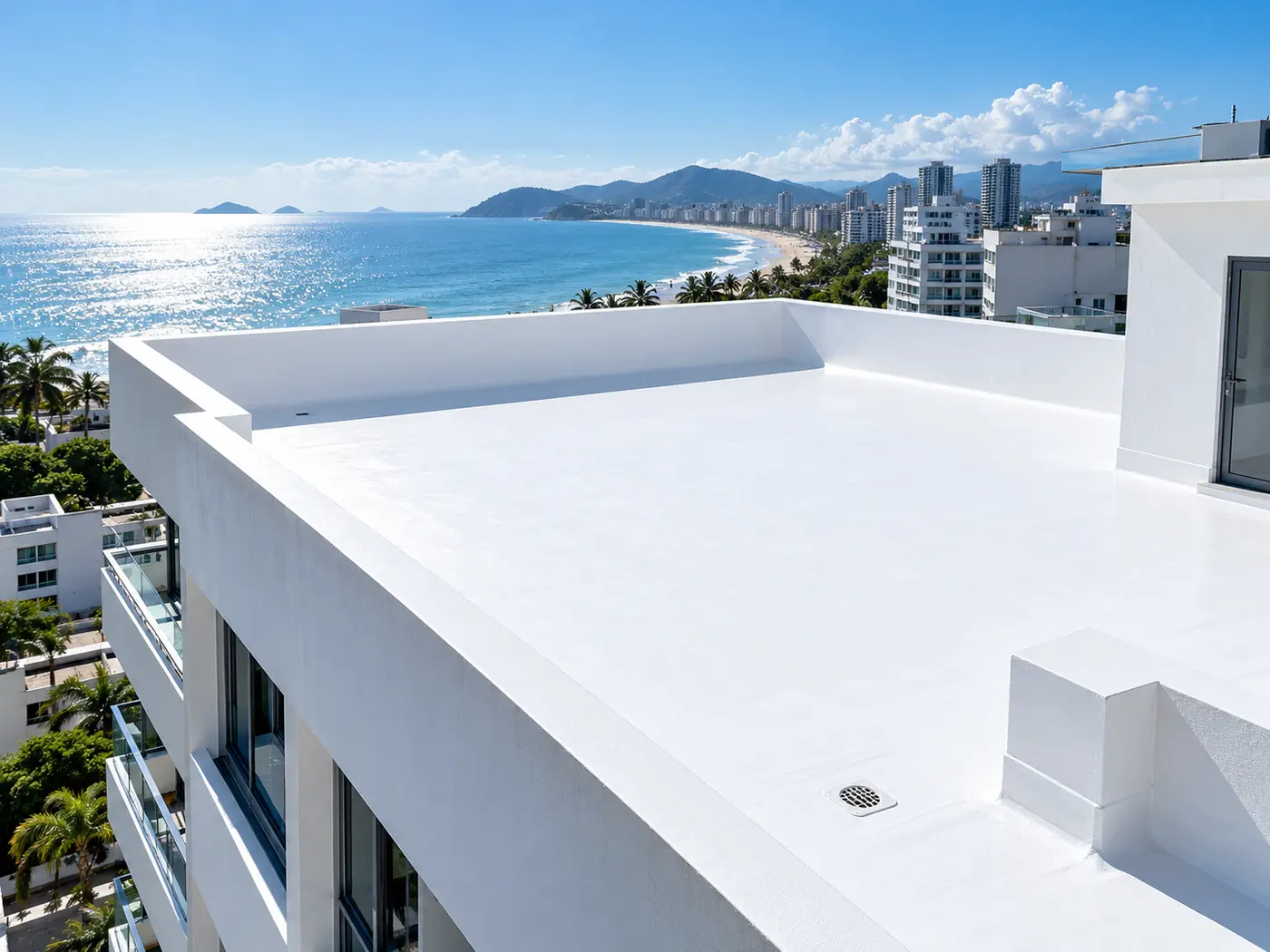
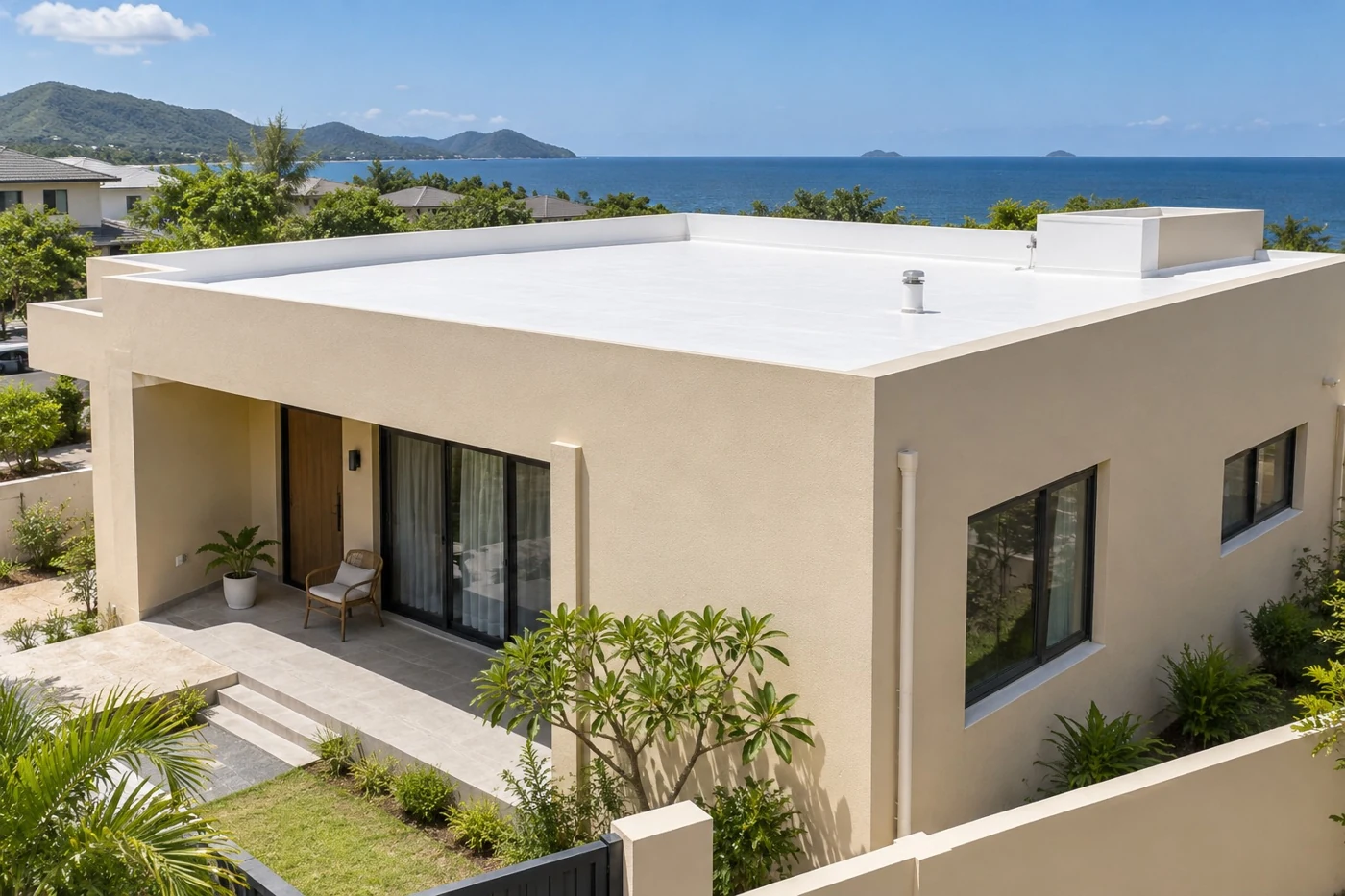
Application illustration: Polyaspartic system for coastal concrete-roof waterproofingSystem example 01

Building waterproofing · Exposed service

Coastal concrete-roof waterproofing

Substrate
Sound concrete and cement mortar
Grade
Choose N300 for long-term weather resistance and N700 for standard weather resistance
System
Detail reinforcement + 2–3 cross coats
Reference
For N300 or N700 primary waterproofing, typical total consumption across 2–3 coats is about 1.3 kg/m², corresponding to a film thickness of about 1.2 mm.

Key checks Moisture · Cracks · Drains · Parapets · Sun exposure

View the N300 waterproofing system →
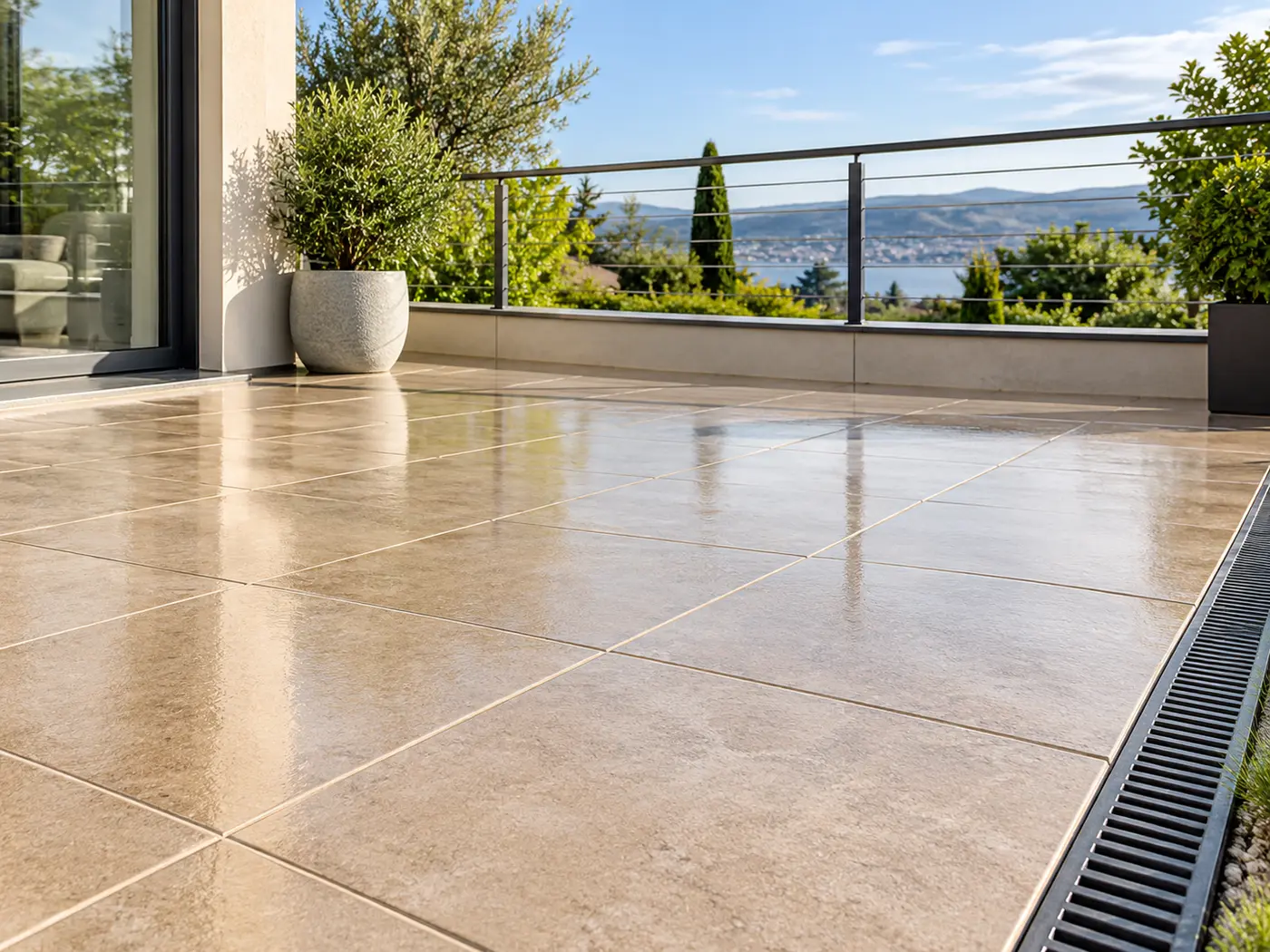
Application illustration: Tile-preserving terrace-refurbishment systemSystem example 02

Tile refurbishment · Trial adhesion first

Terrace refurbishment without removing sound tiles

Substrate
Sound, clean and dry existing tiles
Primary waterproofing
Choose N300 for long-term weather resistance and N700 for standard weather resistance
Compatible finish
Optional N200 clear finish; verify intercoat adhesion
Verification
Trial substrate and intercoat adhesion after abrasion

Key checks: Repair hollow or loose tiles first. Clean, dry and abrade retained tiles, then verify adhesion. Treat structural cracks, ponding areas and old joint materials first.

View the roof and tile-terrace guide →
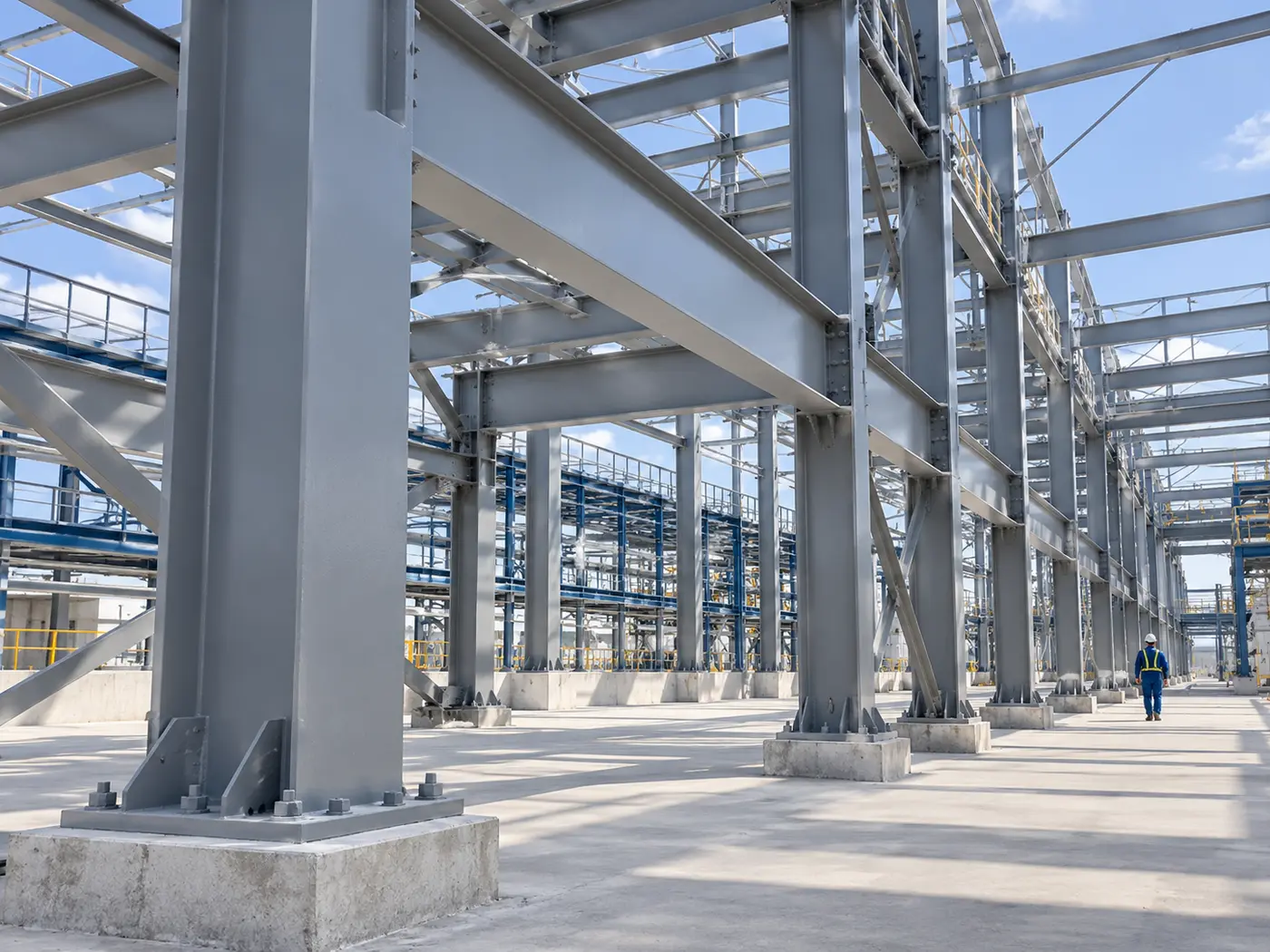
Application illustration: Polyaspartic heavy-duty system for coastal port steelworkSystem example 03

Industrial protection · Humid saline exposure

Heavy-duty protection of coastal port steelwork

Substrate
Carbon steelwork, pipe exteriors and tank exteriors
Grade
N500 heavy-duty system
System
Surface preparation + compatible primer and intermediate coat + N500 topcoat
Basis
Design for corrosion category and target thickness

Key checks: Preparation grade, existing coating, salt exposure and maintenance interval. Which component needs protection, and how is it exposed? Assess N500 as the heavy-duty anticorrosive topcoat for port steelwork in a salt-laden atmosphere. Assess N100 for non-critical vehicle or equipment exteriors. Splash zones, prolonged immersion and linings require project-specific validation.

View the N500 protection system →
Application illustration: Polyaspartic outdoor decorative flake-flooring systemSystem example 04

Decorative flooring · Outdoor weathering

Outdoor decorative flake flooring

Substrate
Concrete, cement mortar and sound tiles
Grade
N600 + N200 clear finish
System
N600 sealer + N600 intermediate coat with broadcast flakes + N200 clear topcoat
Target
Decoration, wear/slip resistance and maintenance

Key checks: Check leakage and drainage first. Specify primary waterproofing separately. Use N600 for sealing and flake broadcast, and N200 for the clear topcoat. Check garage loads and hot tyres. Verify wet slip resistance on a complete system sample.

View the N600 flooring system →
Project selection informationProject regionService environmentApplication areaSubstrate conditionProduct gradeMaintenance requirementsView test evidence and documents →

APPLICATION MATRIX

Applications, grade functions and combinations

For waterproofing concrete roofs, tiled roofs and terraces, choose N300 for long-term weather resistance and N700 for standard weather resistance. Assess body and finishing layers by application; confirm through inspection, trials and grade TDS.

Gaodun polyaspartic applications, suggested grades, functions, indicative consumption and key conditions
ApplicationsCommon substratesSuggested systemGrade functionIndicative system or consumptionKey conditions to verify
Concrete roofsSound concrete and cement mortarN300 (long-term)
N700 (standard)
Main waterproofing layerTypical total for primary waterproofing: about 1.3 kg/m² across 2–3 coats.Moisture, strength, cracks and details
Roof terracesConcrete and sound existing coatingsN300 (long-term)
N700 (standard)
Main waterproofing layerTypical total for primary waterproofing: about 1.3 kg/m² for approximately 1.2 mm of film.Drainage, parapets and exposed service
Tile refurbishmentSound tilesN300 (long-term)
N700 (standard)
N200 (optional finish)
N300 or N700 provides primary waterproofing. N200 is an optional clear wear-resistant topcoat.N300 or N700: about 1.3 kg/m² in total for approximately 1.2 mm of film. Allow separately for any N200 topcoat.Repair hollow or loose tiles and cracks first. Clean, dry and abrade the tiles, then test coating adhesion to the tile. Test intercoat adhesion separately if adding a topcoat.
Decorative exterior-wall waterproofingConcrete, mortar and decorative surfacesN300Continuous waterproofing, outdoor weathering and colorDetermine consumption per coat from substrate absorption, target film thickness and a site trial.Cracks, existing-layer soundness and color
Decorative flake flooringConcrete, cement mortar and sound tilesN600+N200N600 flake layer; N200 clear wear-resistant finishN600 sealer + N600 intermediate coat with broadcast flakes + N200 clear topcoatCheck substrate moisture, traffic loads and wet slip resistance. Abrade sound tiles and test adhesion. Roof terraces need separate primary waterproofing.
Steel protectionCarbon steel and prepared metalN500N500 heavy-duty anticorrosive topcoat with a project-specific primer and intermediate coatProject-designed primer/intermediate/finishPreparation grade, corrosion category and target dry-film thickness
Coastal port protectionSteelwork, pipe exteriors and tank exteriorsN500N500 heavy-duty anticorrosive topcoat for atmospheric exposure on coastal steelworkDesign for exposure and compatible coating layersCheck primer, dry-film thickness and maintenance interval. Splash exposure, prolonged immersion and linings require separate validation.
Industrial equipment, vehicles and port facilitiesPrepared metal, existing coatings and associated concreteN100Non-critical exterior protection, waterproofing and wear maintenanceConfirm consumption, thickness and primer by projectRust removal, old-paint compatibility and exposure; mask critical components
Outdoor woodTimber floors, clad walls and railingsN100Clear surface waterproofing, protection and wear maintenanceConfirm consumption, thickness and primer by projectSpecies, moisture, oils/waxes, clarity and adhesion
Coastal-building surface protectionConcrete, sound tiles and stoneN100Higher hardness, visible texture and wear/waterproofing maintenanceConfirm consumption, thickness and primer by projectCheck cracks, detailing and drainage. Verify adhesion to tile and stone. For primary roof waterproofing, prefer N300 for long-term exposure or consider N700 for standard weathering.

Note:N100 targets industrial equipment, vehicles, port facilities, outdoor wood and coastal buildings; roof consumption figures are not universal. N200 is a clear wear-resistant finish, not a substitute for a main layer requiring thickness, flexibility and crack resistance. Optional N100+N200 requires trials and intercoat adhesion tests. Typical N300/N700 reference: 1.3 kg/m² ≈ 1.2 mm.

APPLICATION ROUTE

Four steps to application selection

  1. 01
    Identify substrate

    Concrete, tile, metal, wood, existing coating or flooring.

  2. 02
    Describe exposure

    Sunlight, rain, salts, wear or clear appearance.

  3. 03
    Define targets

    Service period, color, thickness and application conditions.

  4. 04
    Site verification

    Inspect and trial adhesion before application.

APPLICATION BOUNDARY

Application limits and substrate conditions

Bathrooms and kitchens

Not a routine first-choice system for persistently damp, enclosed conditions.

Existing rubber-asphalt layers

Do not overcoat directly without removal, isolation or specific verification.

Loose or damp substrates

Treat hollow areas, powdering, oil, standing water and structural cracks first.

TECHNICAL EVIDENCE

Technical documents and test evidence

Grade recommendations must link to product, test and safety documents; an application image cannot replace technical assessment.

Open test evidence and technical documents →

APPLICATION FAQ

Application-selection FAQs

Check substrates, grades and conditions to confirm before application.

What are N100's main applications?

N100 is a higher-hardness industrial surface-protection grade for non-critical exteriors of equipment, vehicles and above-ground port facilities, clear outdoor wood, and coastal-building waterproofing/wear maintenance. Select N300 for long-term weather resistance or N700 for standard weather resistance in the main roof waterproofing layer and assess N500 first for heavy steel protection. Trial each substrate and confirm its system.

How do I choose a grade for concrete roofs, tiled roofs and terraces?

For primary roof waterproofing, prefer N300 for long-term outdoor exposure. Consider N700 for standard weathering requirements. Repair hollow or loose tiles first. Clean, dry and abrade retained tiles, then verify adhesion. For N300 or N700 primary waterproofing, typical total consumption across 2–3 coats is about 1.3 kg/m², corresponding to a film thickness of about 1.2 mm.

Can a tiled terrace be refurbished without removing tiles?

If tiles are sound, dry, clean, oil-free and adhesion-tested after abrasion, choose N300 for long-term or N700 for standard weather resistance in the main waterproofing layer. N200 can be a clear wear finish; N100 may be separately assessed for higher-hardness coastal surfaces. Repair hollow/loose tiles and structural cracks first; trial complete systems and intercoat adhesion.

Which grade should be assessed for coastal steel and port facilities?

Which component needs protection, and how is it exposed? Assess N500 as the heavy-duty anticorrosive topcoat for port steelwork in a salt-laden atmosphere. Assess N100 for non-critical vehicle or equipment exteriors. Splash zones, prolonged immersion and linings require project-specific validation.

Where is direct polyaspartic use not recommended?

Persistently damp enclosed bathrooms/kitchens are not routine first-choice applications. Do not directly cover untreated rubber-asphalt waterproofing or coat hollow, powdery or damp substrates.

How do N600 flake flooring and the N200 clear topcoat work together?

Apply N600 as the sealer and as the intermediate coat that receives the broadcast flakes. Finish with the N200 clear wear-resistant topcoat. Roof terraces need separate primary waterproofing, drainage and detailing. Check vehicle loads and hot-tyre wear in garages. Verify wet slip resistance on a complete system sample.

What else do you need to know about a terrace, garage or coastal site?

Identify the component, substrate and exposure. Is the goal to stop leakage, protect against wear, add a decorative finish or protect steel against corrosion? For combined uses, specify the waterproofing and finish separately and verify compatibility, adhesion and wet slip resistance as applicable.

Can N200 stop a roof leak while keeping the tile pattern visible?

If the terrace leaks and the tile pattern must stay visible, the light-grey N700 coating would cover the pattern. N200 is a clear abrasion-resistant topcoat and cannot repair the leak on its own. Trace the water entry path, check drainage and detailing, and confirm that the primary waterproofing system suits the existing tiles. Test the proposed system on a prepared patch of the original tile for appearance, adhesion to the tile and compatibility between coats.

Do the illustrations or sample tests establish a warranty period?

This page gives no project service life or warranty term. The images illustrate applications. Report TL26080331 covers one submitted sample set (T26060219) under the stated test conditions, with no separate results by grade. Check the written warranty terms for the specific project.

APPLICATION CONSULTATION

Get application-specific selection advice from Gaodun

Provide city, substrate, area, permanent exposure and cracks, leaks or corrosion.

Submit application and selection requirements