VIDEO LIBRARY
Video Guides and
Project Application Records
Explore polyaspartic polyurea material principles, applications, installation procedures and test interpretation. Browse by category for application steps, site records and conditions of use.
PUBLISHED VIDEOS
Published Videos and Application Records · All videos (6)
Browse application procedures and case records. Open a video for the written description and related documents.
 Application procedure
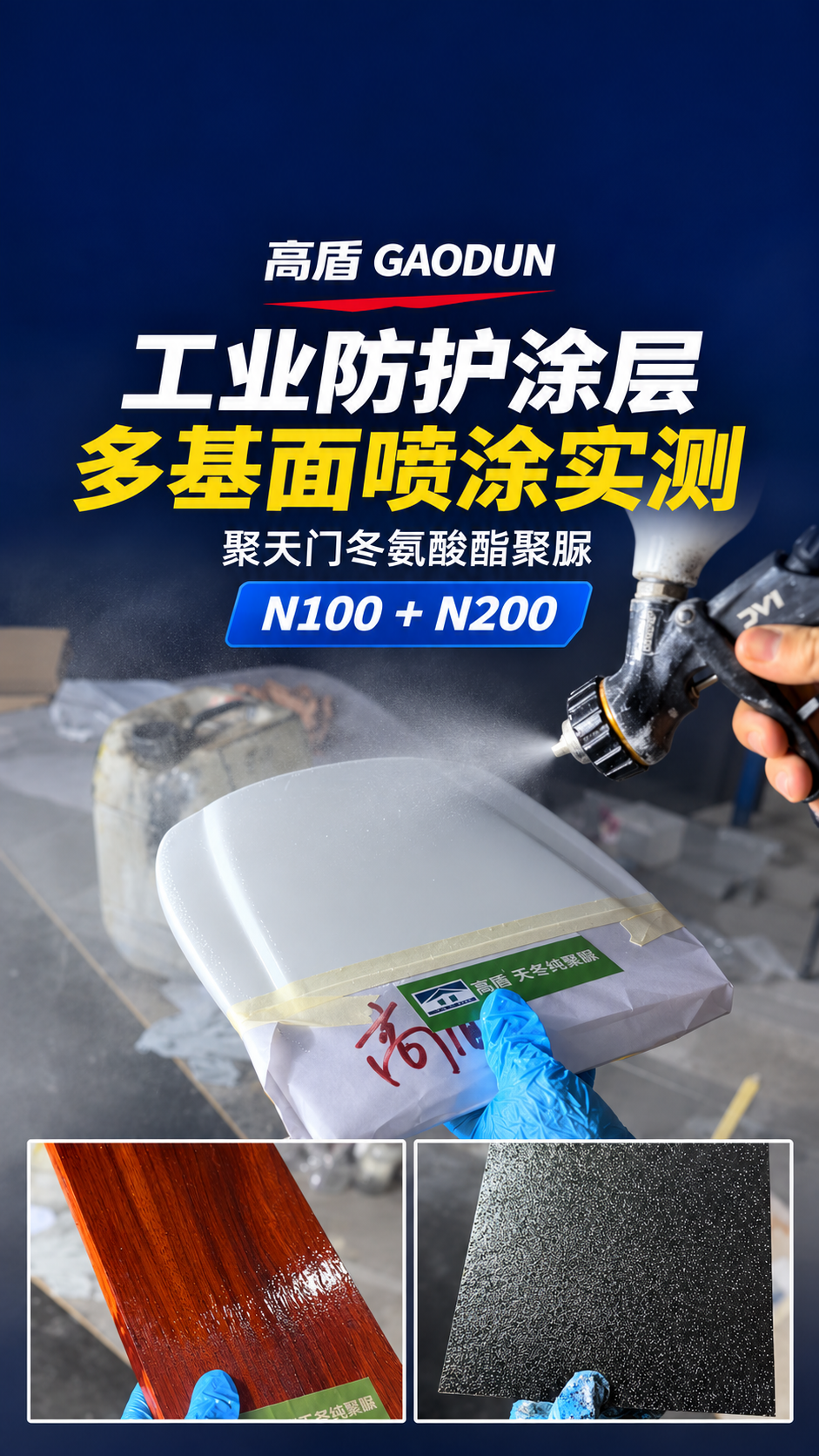
Gaodun Polyaspartic Industrial Protection | N100 + N200 Spray Trials on Multiple Substrates
The spray trial uses an N100 protective basecoat and an N200 clear topcoat on test pieces. Verify adhesion and compatibility on the actual substrate and existing finish under the intended exposure.
Watch video →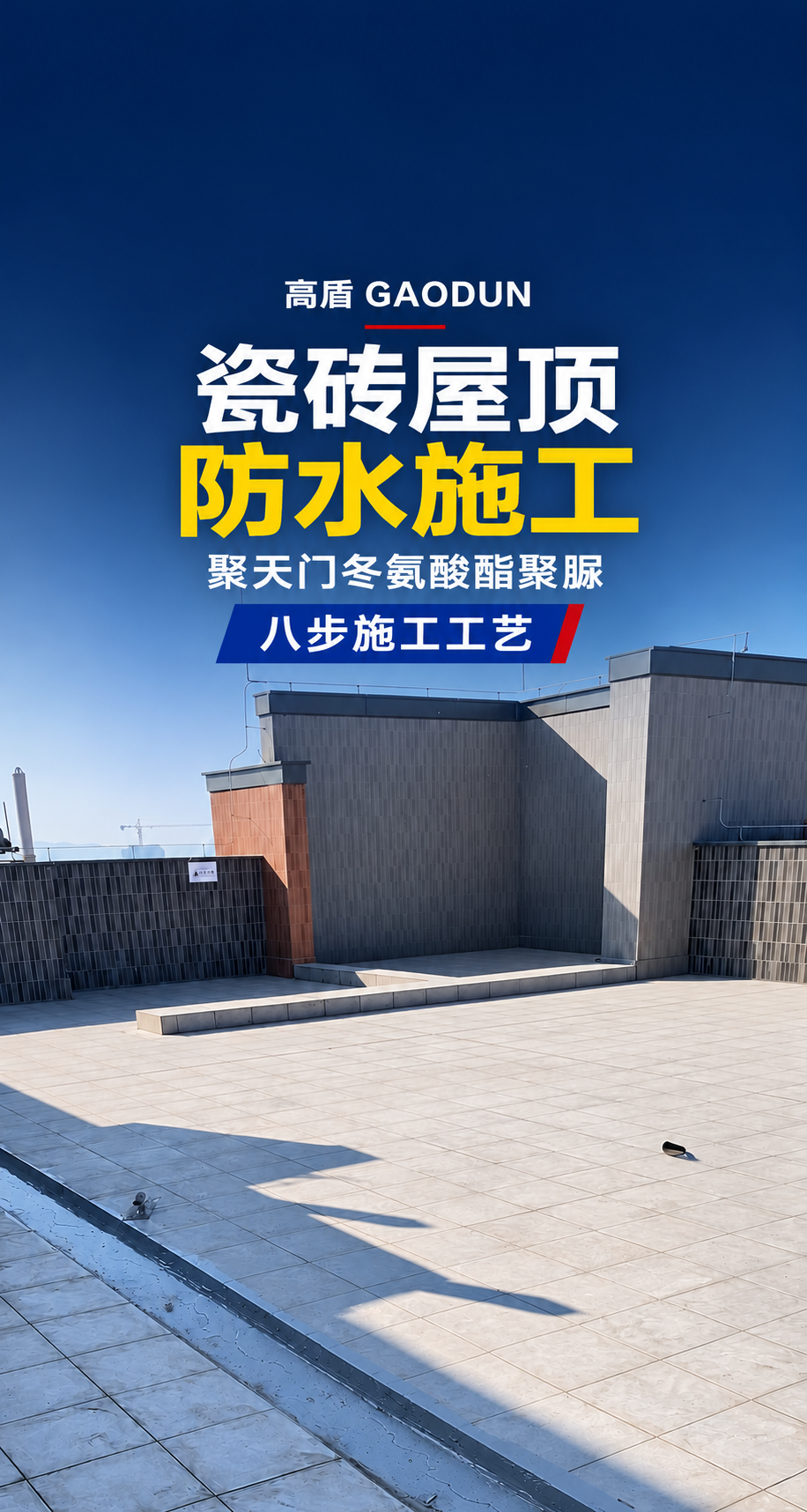 Application procedure
Tiled Roof and Terrace Waterproofing Application Procedure
To retain existing tiles, first check for hollow or loose tiles and repair affected areas. Clean, dry and prepare the tile surface. Apply the proposed coating system to a trial area on those tiles to verify adhesion and compatibility between layers.
Watch video →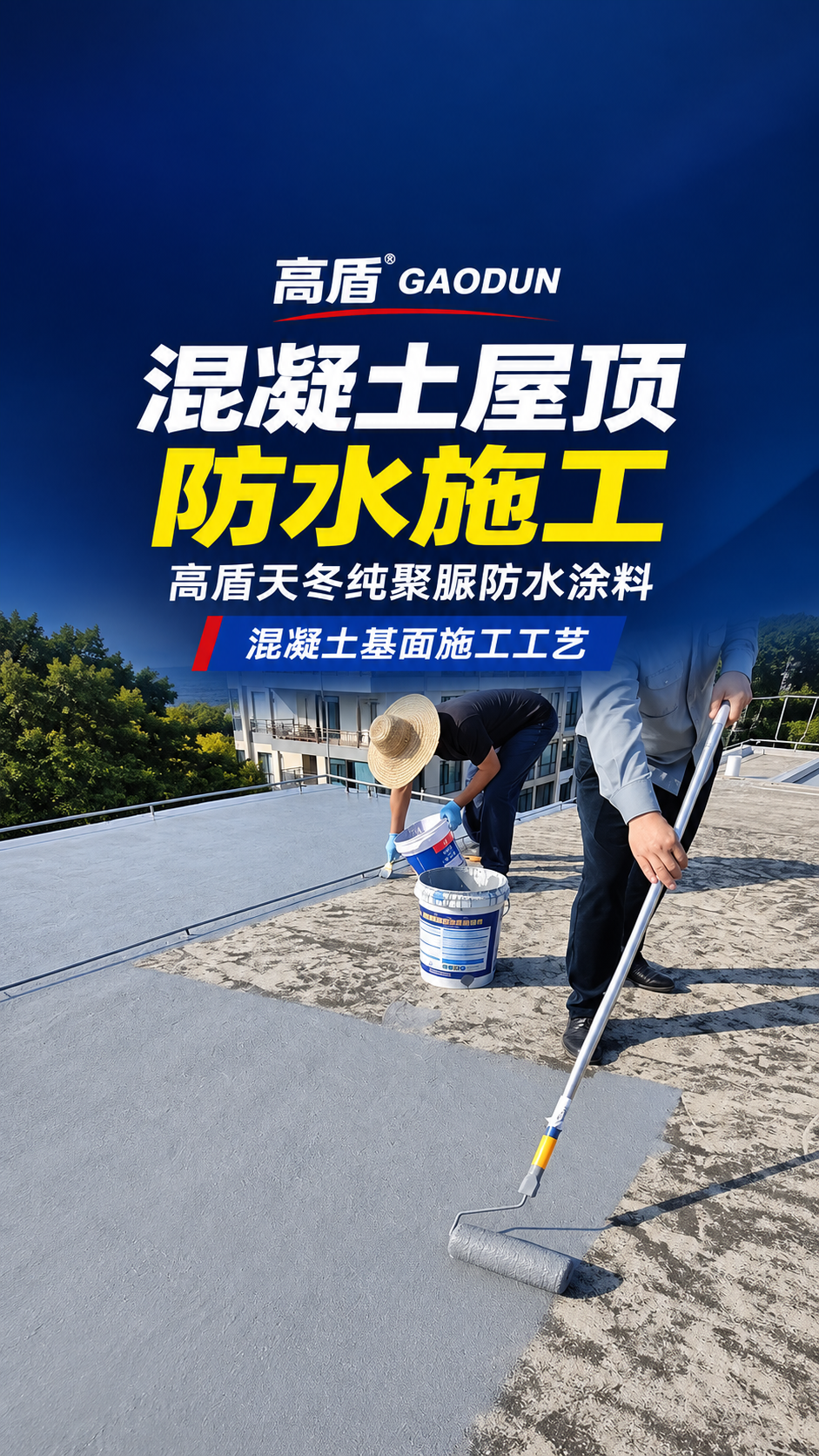 Application procedure
Concrete Roof Waterproofing Application Procedure
For a concrete roof, inspect the substrate, existing waterproofing, cracks and drainage details before selecting the primary waterproofing coating. Prefer N300 for prolonged outdoor exposure. Consider N700 for standard weathering requirements.
Watch video →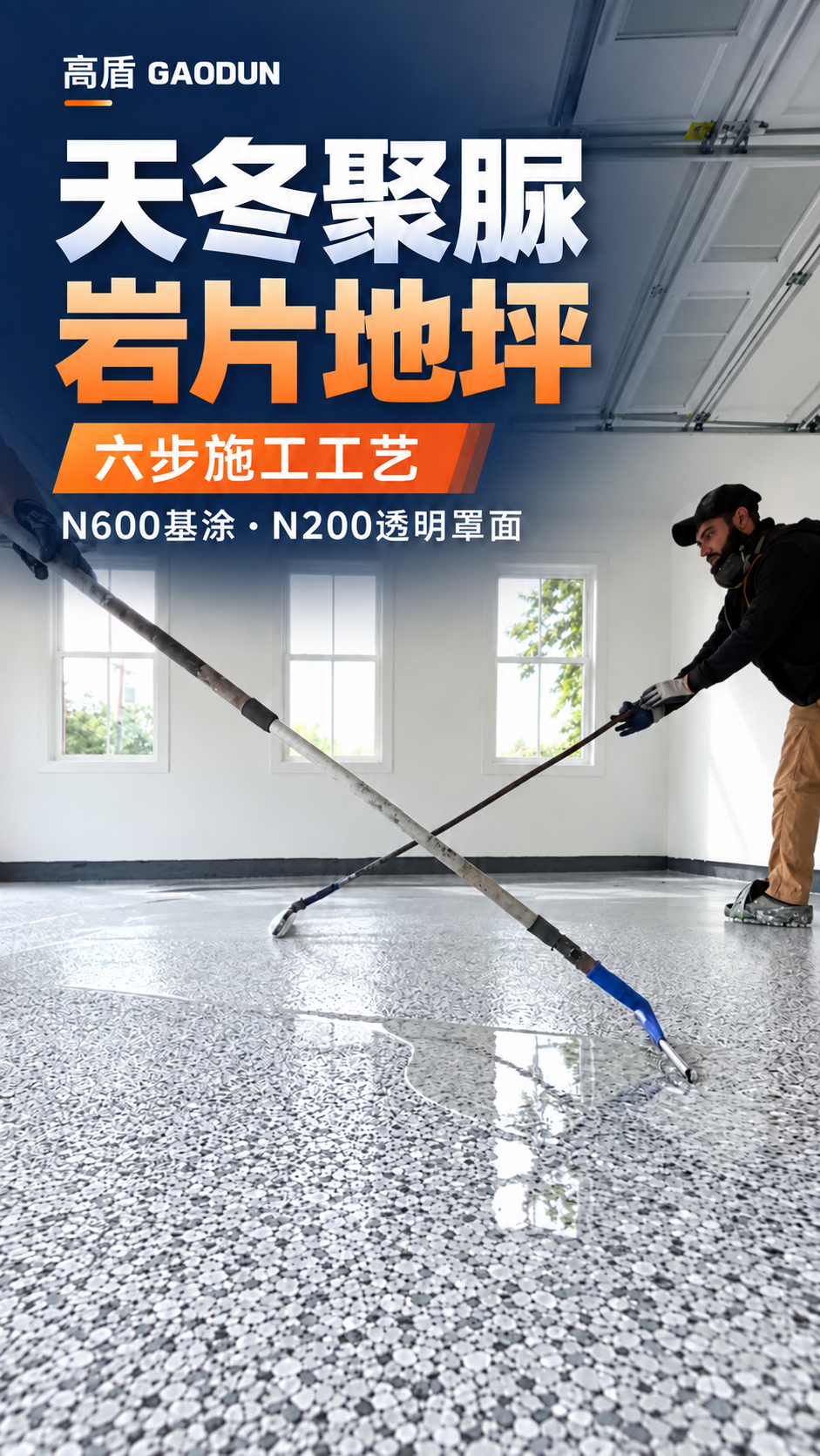 Application procedure
Gaodun Polyaspartic Flake Flooring Application Procedure
The flake floor has three layers. Seal coat: N600. Midcoat: N600, with flakes broadcast into the wet coat. Clear topcoat: N200. If the terrace already leaks, assess its primary waterproofing separately before installing the decorative floor.
Watch video →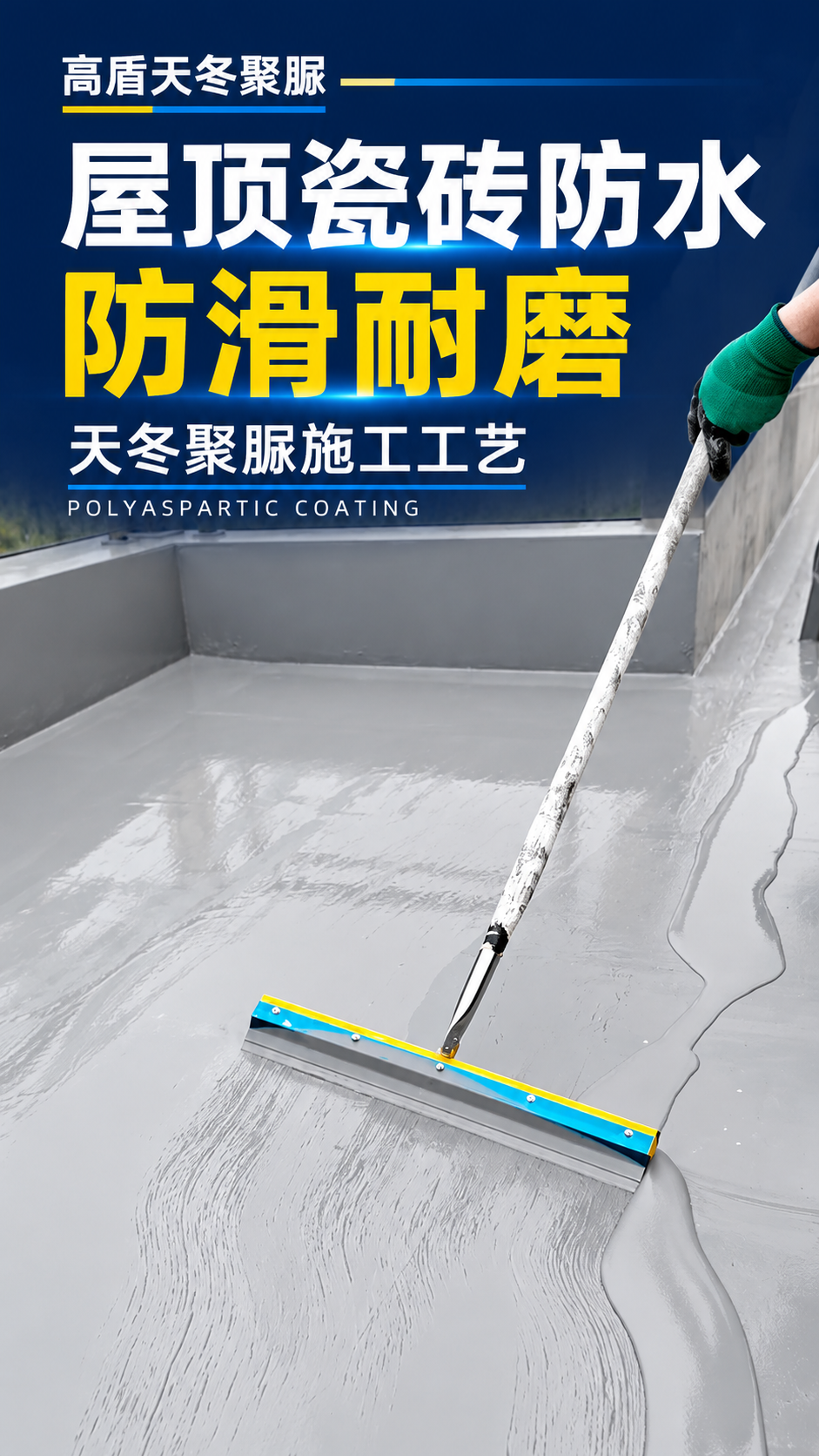 Application procedure
Polyaspartic Waterproofing and Slip-Resistant Coating for Tiled Roofs
For this slip-resistant finish on roof tiles, choose either 80–100 mesh white fused alumina (white corundum) or quartz sand. Mix Parts A and B in the mass ratio specified in the product TDS, then add 1 kg of the selected aggregate per 1 kg of combined A and B. Verify slip resistance on a wet trial panel. Repair loose or hollow tiles and verify adhesion. Assess primary waterproofing separately.
Watch video → Application procedure
Concrete Crack Filling Procedure
For stable, nonstructural concrete cracks, use polyaspartic coating with white fused alumina (white corundum). Where white fused alumina is unavailable locally, use dry quartz sand in the same procedure. Confirm filler size and amount for the coating grade and repair design. Mix Parts A and B according to the grade-specific TDS. Moving or structural cracks and expansion joints require a separate design.
Watch video →Looking for Related Products and Technical Documents?
Find related products, applications, TDS, SDS and supporting test evidence.
Frequently asked questions
How Do I Find Application Procedure Videos?
Browse published procedures and application records by category, then open the video details for the accompanying description.
Browse published videos